Spotlight on Excellence: Aico Community Awards Illuminate Birmingham Convention Centre

In a dazzling display of recognition and celebration, Aico’s bi-annual Community Awards illuminated Birmingham’s International Convention Centre on Thursday, April 18th.

With 400 guests and finalists in attendance, the event honoured the exceptional contributions of individuals and organisations within the social housing industry and local communities across the UK.

This year, the event not only celebrated excellence but also extended its support to the Electrical Industries Charity (EIC), emphasising the importance of giving back to those in need within the electrical sector.

It was the honour having our esteemed welfare team from the EIC as invited guests. Throughout the event, they had the incredible opportunity to engage with attendees, sharing the charity’s vital mission and raising awareness about the essential support it provides to individuals and families within the electrical industry. It was a privilege for our team to be part of such an inspiring occasion, allowing us to amplify our message and connect with the industry in a meaningful way.

As the awards ceremony concluded, guests were treated to an evening of jubilation, dancing into the night alongside the vibrant sounds of the Top Collective, a sensational 9-piece ensemble band.

Grace Ellis, Welfare Director at the Electrical Industries Charity commented about the event, “Participating in events such as the Aico Community Awards serves as a powerful reminder of the significant influence of collective acknowledgment and assistance. Experiencing the generosity and jubilation firsthand was incredibly uplifting, reigniting our dedication to assisting and empowering individuals within the electrical industry.”

The Aico Community Awards not only honoured inspirational individuals and organisations but also made a significant impact on a charitable cause. The event raised nearly £7,000 for the EIC, with Aico generously donating further, resulting in a total contribution of £16,620.

Through the power of recognition and philanthropy, the Aico Community Awards exemplify the spirit of giving and excellence within the social housing industry and beyond.

A Night of Love and Charity: Tunbridge Wells and Eastbourne ECA Branch Valentine’s Ball

On Saturday, February 10th, at the exquisite Salomons Estate in Tunbridge Wells, Love was in the air and hearts were aflutter at the Tunbridge Wells and Eastbourne ECA Branch Valentine’s Ball. The event, co-founded by Daren Pool, MD at Triple Star Fire and Security Limited, and Andy Hartley, Key Account Manager at GCL Building Technologies Limited, not only brought together couples and colleagues for an enchanting evening but also aimed to generate funds for a noble cause — the Electrical Industries Charity.

Salomons Estate provided the perfect backdrop for the Valentine’s Ball, with its picturesque surroundings and elegant ambience. The venue was transformed into a haven of romance, creating an enchanting atmosphere that set the stage for a memorable evening.

The event, organised by the Tunbridge Wells and Eastbourne ECA Branch, was a celebration of love, unity and the electrical industry’s commitment to making a positive impact. Couples and colleagues gathered, dressed in their finest attire, to dance the night away and contribute to a greater cause.

The Valentine’s Ball featured a delightful mix of live entertainment, music and a dance floor that was alive with the rhythm of joy and celebration. Guests enjoyed a delectable spread of gourmet cuisine, raising their glasses to love, camaraderie and the shared goal of supporting a charitable cause.

An amazing £14,000 was generated during the event, a testament to the attendees’ generosity and commitment to the Electrical Industries Charity’s mission. These funds are set to make a significant impact on the lives of individuals facing challenges within the industry.

As the night unfolded, expressions of gratitude were extended to KEW Electrical as the headline sponsors, whose generous support not only helped make the Valentine’s Ball a grand success but also showcased the spirit of collaboration and community within the electrical industry. In addition, further recognition goes to the gold sponsors; Rexel Maidstone, Scolmore International, Edmundson Electrical Tonbridge and Grant and Stone.

Their contributions played a pivotal role in ensuring the success of the event and further emphasized the collective dedication of the electrical industry to giving back.

The Tunbridge Wells and Eastbourne ECA Branch Valentine’s Ball at Salomons Estate was more than just a night of glamour and revelry. It was a heartfelt endeavour to make a difference in the lives of those who need it most. The generous support from all that attended emphasised the industry’s commitment to giving back and creating a positive impact. As the night came to a close, it was clear that the love and unity shared at the Valentine’s Ball would resonate far beyond the dance floor, leaving a lasting impression on the hearts of all who attended.

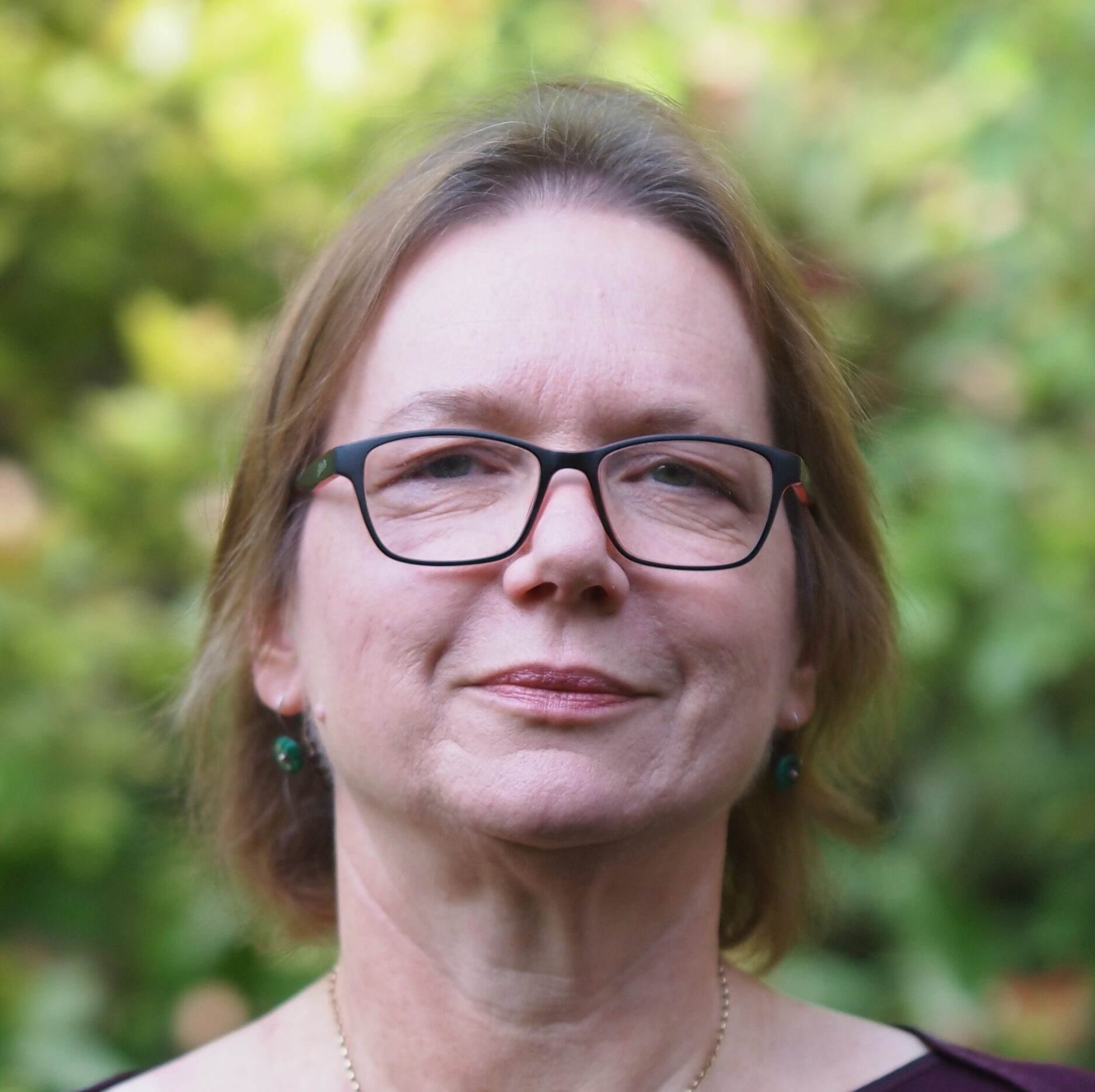
The Electrical Industries Charity (EIC) is proud to announce Alison Chappell as its new Vice President, marking a significant milestone in both her career and the ongoing journey of the charity.

Alison Chappell’s career in the electricity industry spans over two decades, beginning with npower in 2000 and progressing through various roles within RWE, including time spent in the UK and Germany. Her diverse experience covers areas such as Diversity and Inclusion, health and safety and managing RWE Generation’s portfolio of closed sites for sustainable energy projects.

Her role at RWE is how she first became aware of the EIC, and was immediately impressed by the work that the Charity does for the sector.

In this enlightening conversation, we delve into the journey of Alison Chappell, newly appointed Vice President at the Electrical Industries Charity (EIC). Alison is a dedicated professional in the electricity industry, who has played a vital role in shaping not only her career but also the lives of others through her involvement with the EIC. Her story is not just one of professional growth but also a deep-seated dedication, she offers a unique perspective on the challenges and transformations within the electrical sector.

Could you share a bit about your background and what led you to join the Electrical Industries Charity? 

I have been working in the electricity industry since 2000 – I joined npower in the retail/supply business when my son reached school age and I was able to go back to full-time work. RWE acquired npower in 2003, so I have been working for the same company for 23 years now, but in a wide variety of roles and in Germany as well as the UK. I spent 2 years setting up the Diversity and Inclusion function working in Group Headquarters, and I also led a project to build a new nuclear power station in the UK. Now I am responsible for RWE Generation’s portfolio of closed sites and the land bank, working to regenerate these sites so that they can be used for new, sustainable energy projects.  In addition to this core role, I am involved in other aspects of company management, including Health, Safety and well-being and the company’s charitable giving committee. That’s how I first became aware of the EIC, and I was immediately impressed by the work that the Charity does for our sector. The EIC is so well-informed about the main problems which affect people working in the electrical industry, and its assistance is so well targeted to the needs of our colleagues. When I heard about the Trustee opportunity, I immediately put my name forward.

What motivates you personally to be involved in this charity work?

My involvement in health, safety and wellbeing at RWE has shown me how vulnerable colleagues in the industry can be – even when they are apparently earning good salaries in secure jobs (which is not the case for everyone). People often work in physically and mentally demanding situations, spending time away from home and with heavy responsibilities. This can result in all sorts of issues, including mental health problems, addiction, financial problems and self-harm. I feel that it is part of my leadership role to help to reduce these problems as far as I possibly can and working with the EIC is a great way for me to contribute.

Is there a particular moment or event in your career that has significantly influenced your approach to charity and community work? 

There were two things in particular; one was the suicide of a young employee at RWE, where we only realised afterwards how much pressure he was under and how isolated he was feeling. The training and services which the EIC has developed for people at the beginning of their careers (and their employers) would have made a real difference to him, I think. The second thing was a presentation made to RWE by Tessa Ogle, whilst she was CEO of the charity. When she outlined the statistics on the types of issues faced by people in our sector it really hit home. I realised I was a bit complacent, thinking that ours was a high-skill, high-reward industry and that therefore most people would be ok. In fact that was not the case.

What do you see as the biggest challenges facing the electrical industry today, and how does the charity plan to address them? 

The part of the industry I know best is power generation and the services supporting that sector. Our biggest challenge is the massive transition which is ongoing to shift to new, sustainable generation technologies. This will result in redundancies for some people and huge pressure to find skilled people in other areas. I can see a lot of stress and uncertainty ahead, for companies and individuals, and even more people spending long periods working away from home on big projects. The charity’s mental health support services will be invaluable, as will support for people who lose their jobs in the short term and experience the uncertainty and possible financial pressures around that.

From your perspective, how is the electrical industry evolving and what impact might this have on the charity’s work? 

Adding to my previous comments, there will be a big need for more and more apprentices and people coming into the sector. I think the training side of the charity’s work and support for people in the early stages of their career will grow. In some parts of the electrical industry, we will see the impacts of digitalization and AI – it is hard to predict how this will manifest, but it may mean that some roles disappear or become downgraded, which may lead to stress and to financial problems. In many parts of the industry, we have an ageing workforce, which will develop into a large retired population, possibly facing financial strain as current pension schemes are not as generous as they used to be. I think the charity will focus more and more on providing tools and support for people to help themselves with financial matters, developing resilience and coping with a changing world.

In what ways do you believe the Electrical Industries Charity can make the most significant impact in the industry? 

The EIC needs to create effective channels through to the end-user target groups. This means having strong relationships with companies in the sector, encouraging them to promote the charity to their employees – and ex-employees. Hopefully this will also lead to people in the industry supporting the charity with fundraising activities and further person-to-person awareness building. I know that, in RWE, people have contacted the EIC for support because another colleague has realised they might have a need and has had a quiet word about how they themselves were helped by the EIC, suggesting that it would be a good place to go for help. I think the EIC also has to be clear about what it wants to focus on – in the scheme of things it is not a large charity, and there are other bodies out there with expertise in other areas. The EIC has to become excellent at referring clients to other specialists where appropriate, rather than trying to cope with all requests itself.

Can you talk about the importance of collaboration with other organisations and how the charity fosters these relationships? 

As covered above, high-quality collaboration with other organisations can enable the charity to make its own resources go further: this goes beyond just collaborating with other charities and support providers; by collaborating with industry employers the EIC can find out more about what issues the industry faces, as well as strengthening its contacts to its target groups.

Is there anything you think is important to mention or any final message you would like to share?

Without wanting to bring the tone of the piece down, I would like to mention that those of us who are in the fortunate position of not needing support from the charity should take time to review the case studies which the EIC puts together. They illustrate how quickly circumstances can change, through no fault of our own. Any of us might need support from the EIC in the future, and so we should think about how we can support the charity now, to ensure that it will still be there and be strong for us or our friends and colleagues in the future. And if we don’t need that help ourselves, we can be grateful for our good fortune and also glad that we have helped to

Understanding Dry January

Dry January is an annual movement through which millions of people give up alcohol for January. This initiative is not only about abstaining from alcohol but also about raising awareness of the impact of alcohol on health, wellbeing and societal issues.

So, why do it?

  1. Health Improvements
  • Better Sleep: Alcohol can disrupt sleep patterns and affect REM sleep, which is crucial for cognitive functions and memory. By abstaining from alcohol, many individuals experience improved sleep quality and wake up feeling more rested.
  • Improved Digestion: Alcohol can be harsh on the digestive system, leading to issues like acid reflux and stomach discomfort. A break from alcohol can give your digestive system time to recover, leading to improved gut health.
  • Higher Energy Levels: Alcohol can deplete your body’s energy reserves. When you stop drinking, you may notice a significant boost in your energy levels. This increase in energy can also lead to higher productivity and better mood.
  • Physical Health Benefits: Abstaining from alcohol can also lead to improved liver function, lower blood pressure, and a decrease in the risk of alcohol-related diseases.
  1. Mental Health Benefits
  • Reduced Anxiety and Depression Symptoms: Alcohol is a depressant, which means it can exacerbate symptoms of anxiety and depression. Many people who participate in Dry January report improvements in their mental health.
  • Improved Mood and Clarity: Without the depressive effects of alcohol, participants often experience a clearer mind and a more stable mood. This can lead to better decision-making and a more positive outlook on life.
  • Increased Emotional Stability: Abstinence from alcohol can lead to more stable emotions, reducing mood swings and irritability often associated with drinking.
  1. Financial Savings
  • Direct Savings: The most obvious financial benefit is the money saved from not purchasing alcoholic beverages. This can be significant, especially for those who frequently dine out or buy expensive drinks.
  • Indirect Savings: There are also indirect savings, like reduced expenses on late-night taxis, eating out, and potential health care costs due to alcohol-related issues.
  1. Increased Awareness
  • Understanding Personal Consumption Patterns: Dry January can be an eye-opener regarding how much and why you drink. It offers a chance to reflect on drinking habits and their triggers.
  • Long-Term Moderation: Many people find that after completing Dry January, they drink less throughout the year. This self-awareness can lead to healthier drinking habits long-term.
  • Educational Aspect: The month often includes a lot of educational content about the effects of alcohol, helping participants make more informed choices about their drinking habits in the future.

Fundraising Ideas for Dry January

Sponsorship Challenges

Encourage participants to seek sponsorships for each day they abstain from alcohol. Friends, family, and colleagues can pledge a certain amount for each alcohol-free day.

Compete in a workplace Dryathlon

Create a Dryathlon challenge where participants combine staying dry with a physical challenge like running, cycling or walking a certain distance over the month.

Hold a Mocktail Competition

Bring the workplace together and organise a mocktail-making competition. Work colleagues can get together and shake, stir and mix their best mocktails and share their creations. Then, get people to vote with their donations on whose is best.

Dry January is more than a month-long challenge; it’s an opportunity for personal growth, health improvement and community engagement. By participating in Dry January and incorporating these fundraising ideas, the Electrical Industries Charity can not only raise awareness about the impact of alcohol but also generate vital funds to support its initiatives. Let’s embrace this opportunity to make a positive change in our lives and our community.

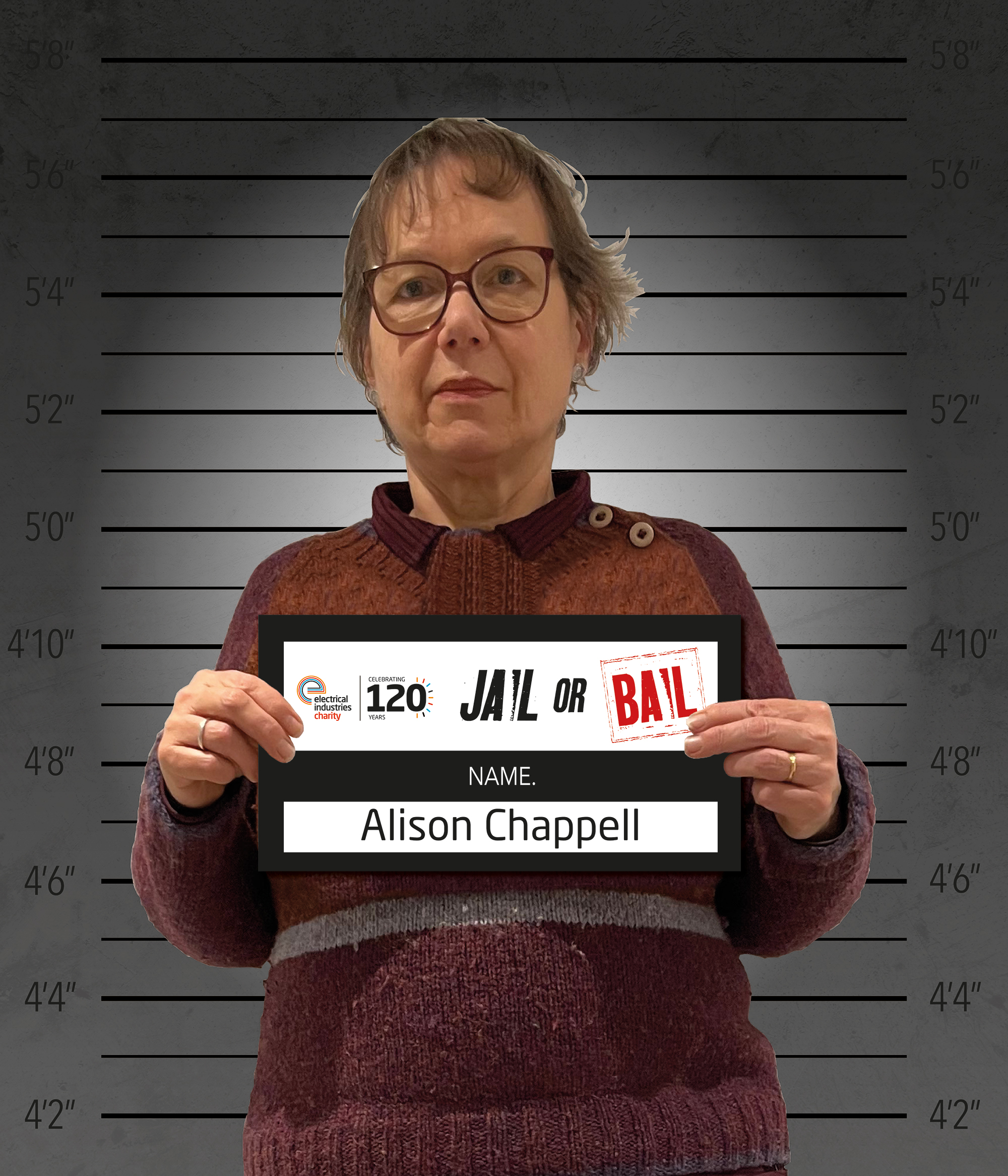
Alison Chapell

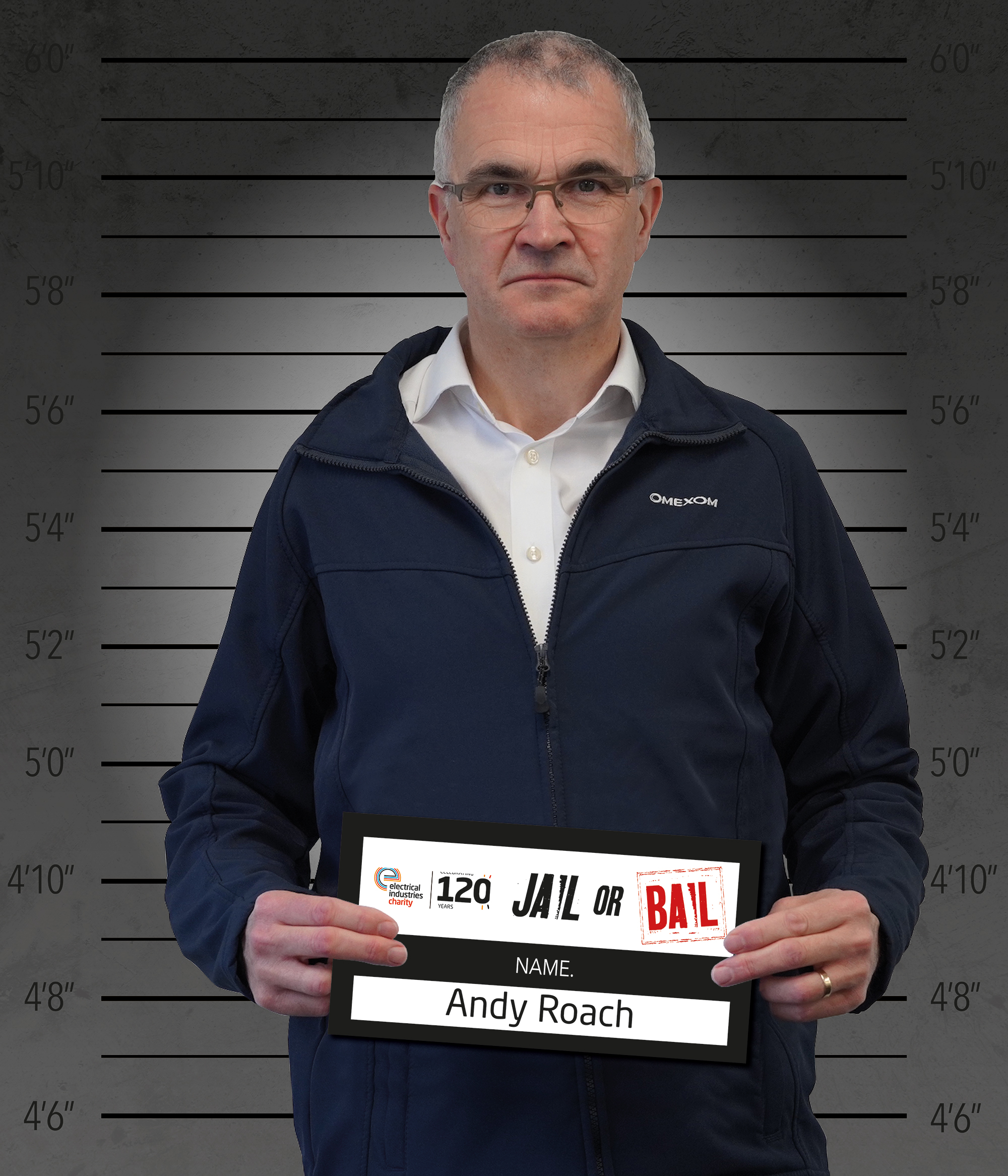
Andy Roach

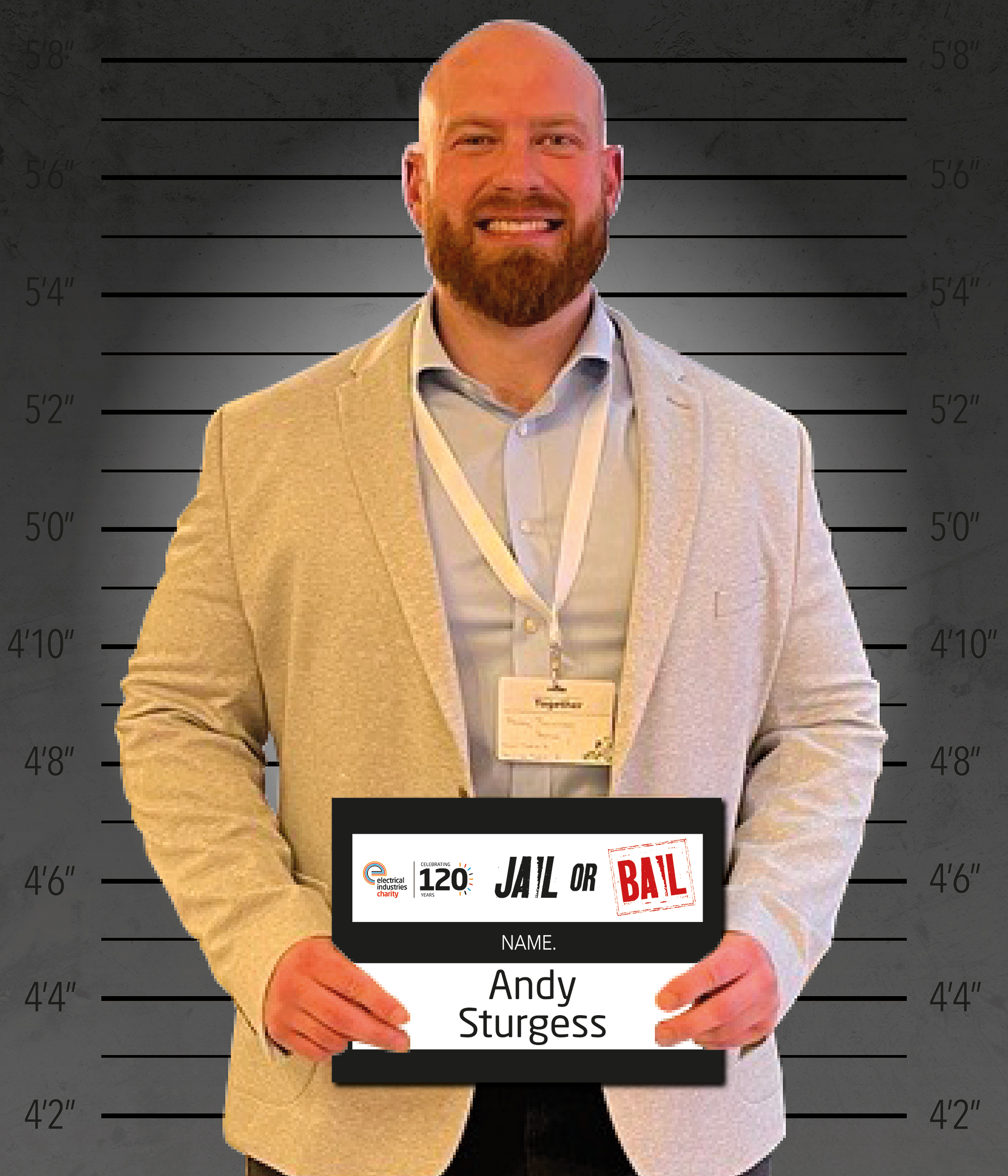
Andy Surgess

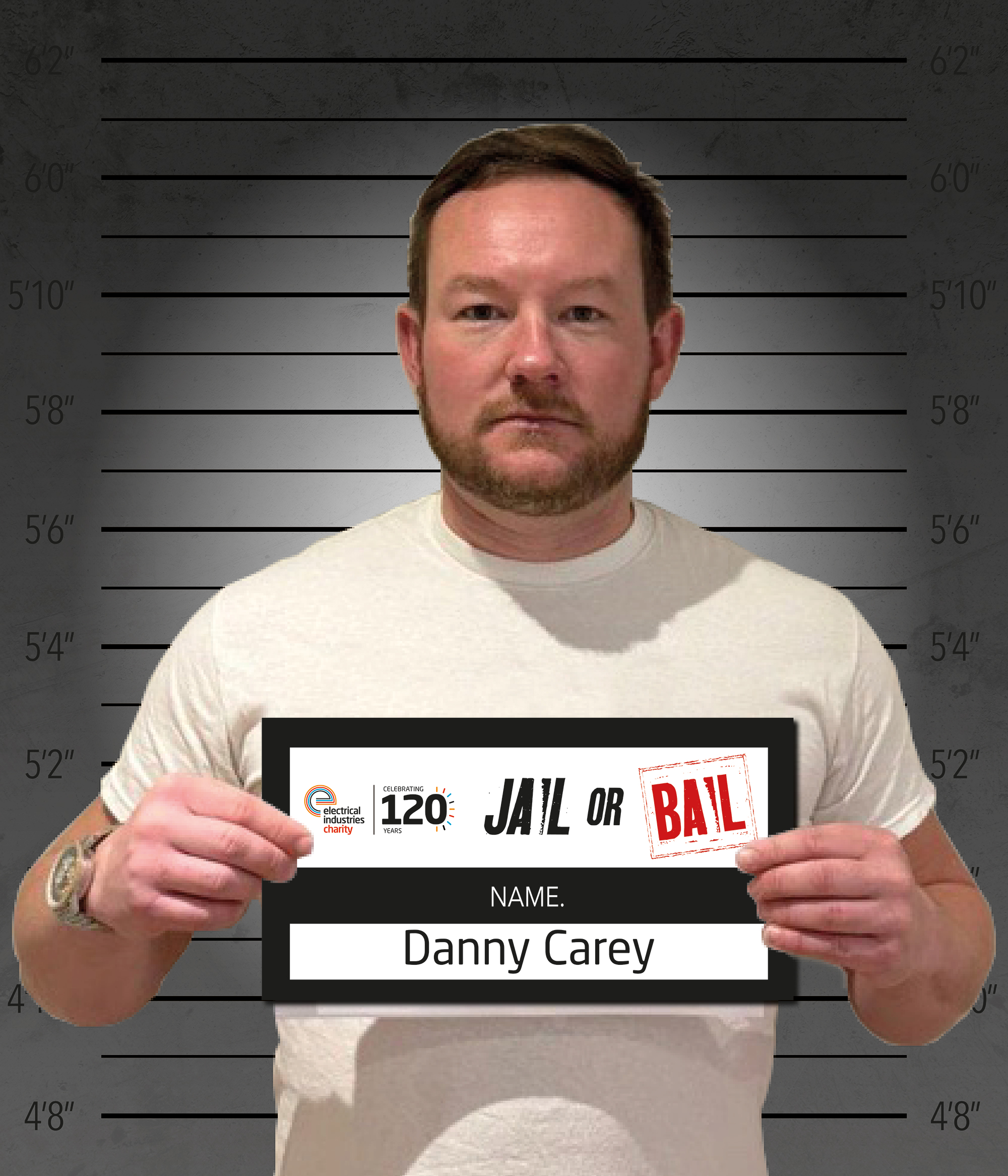
Danny Carey

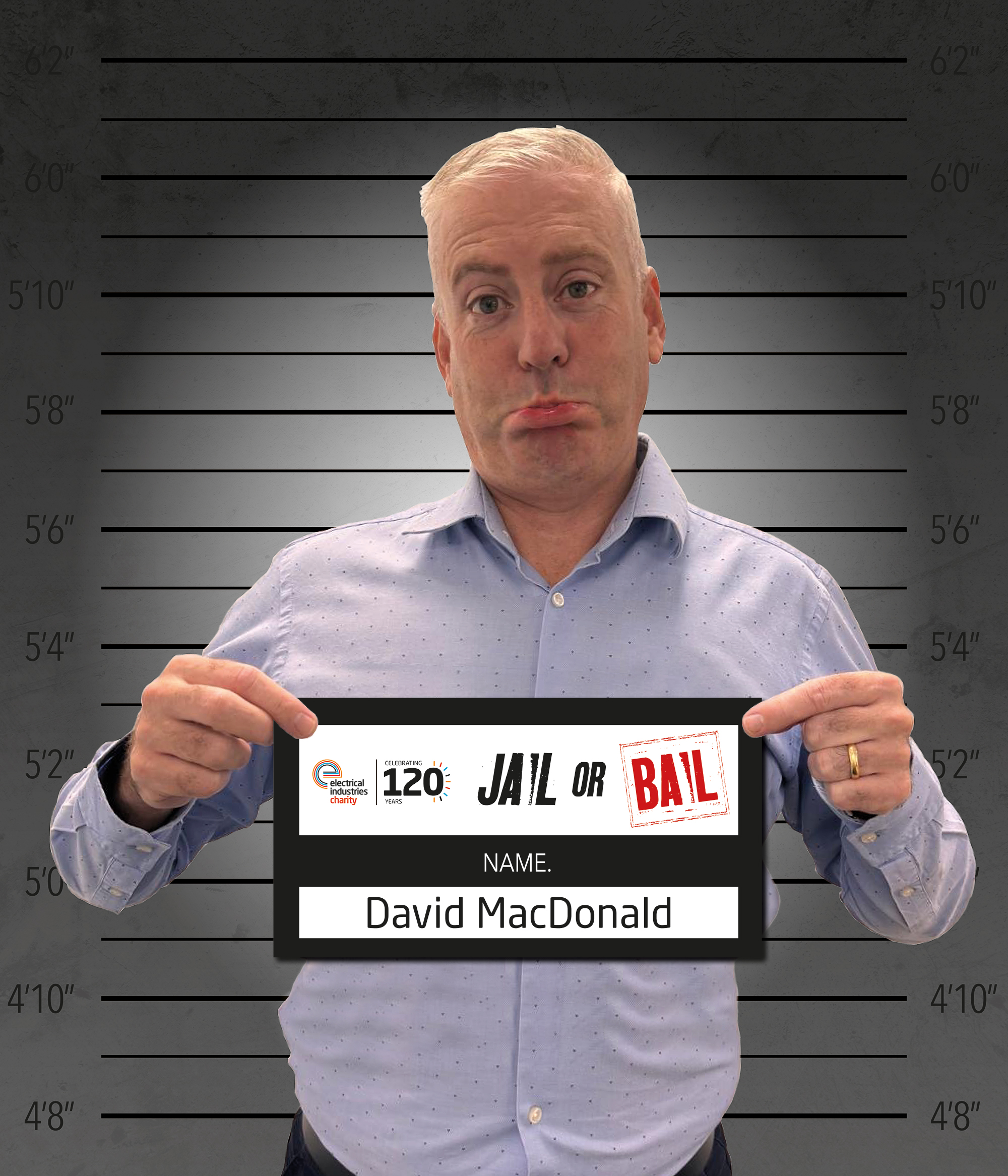
David MacDonald

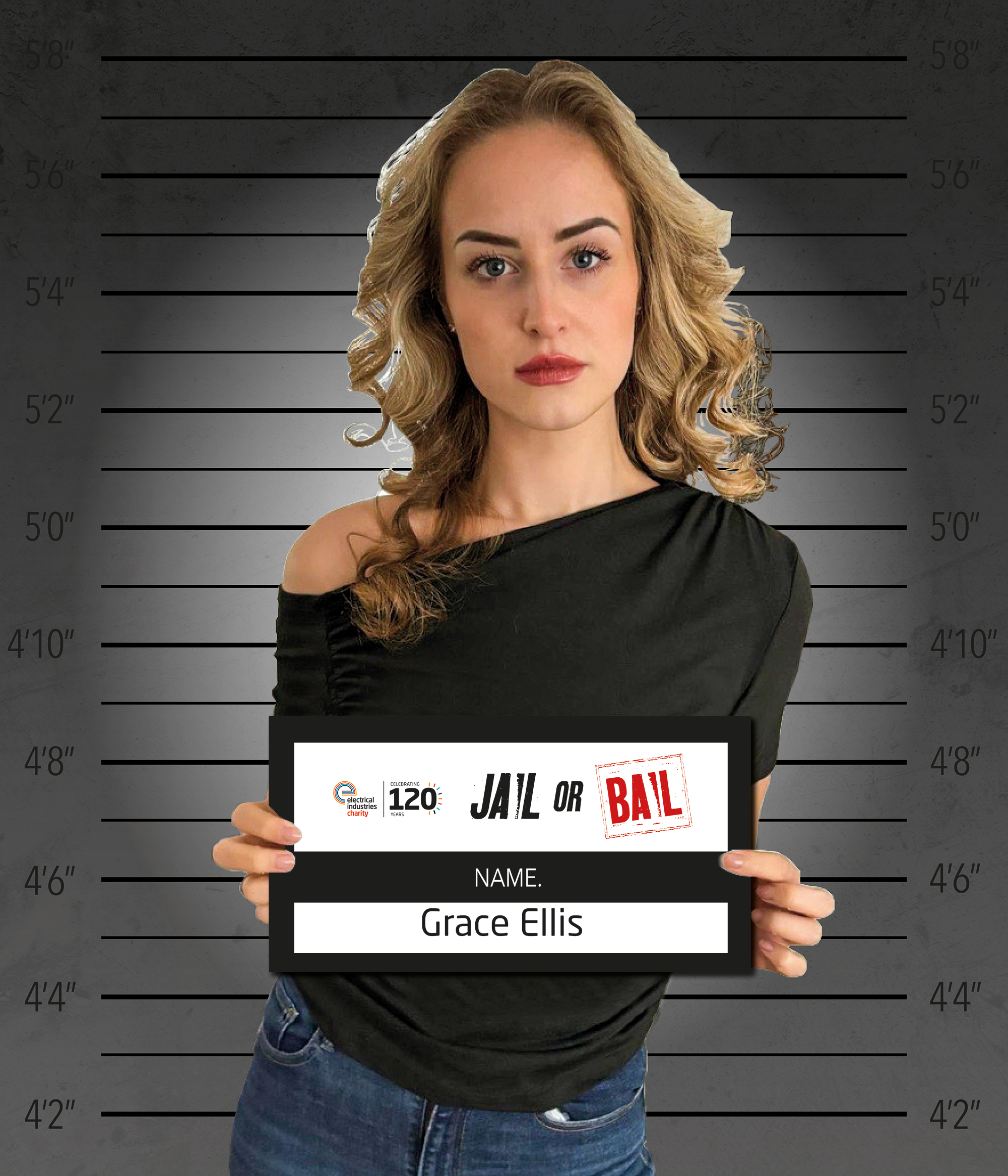
Grace Ellis (EIC)

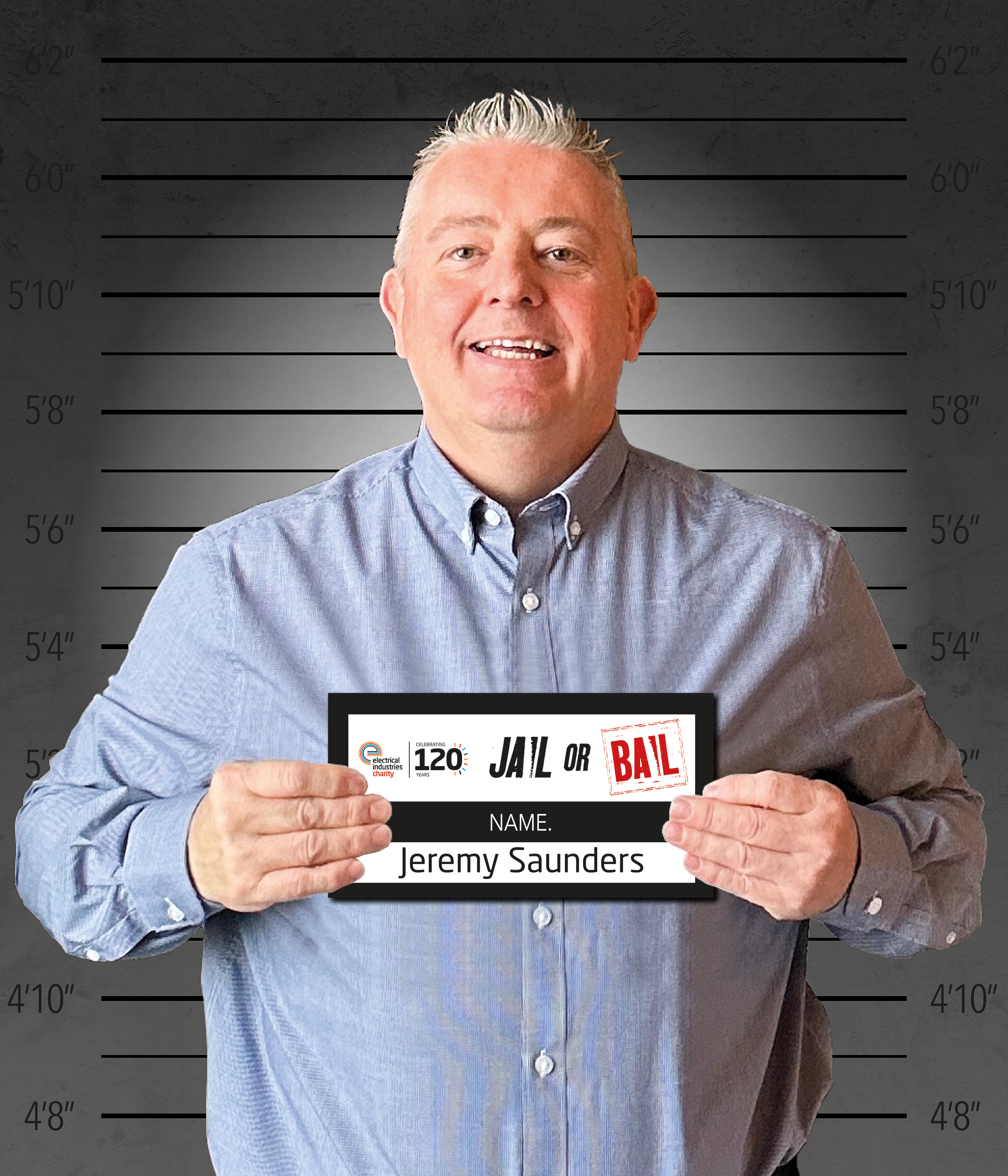
Jeremy Saunders

Jess Vailima (EIC)

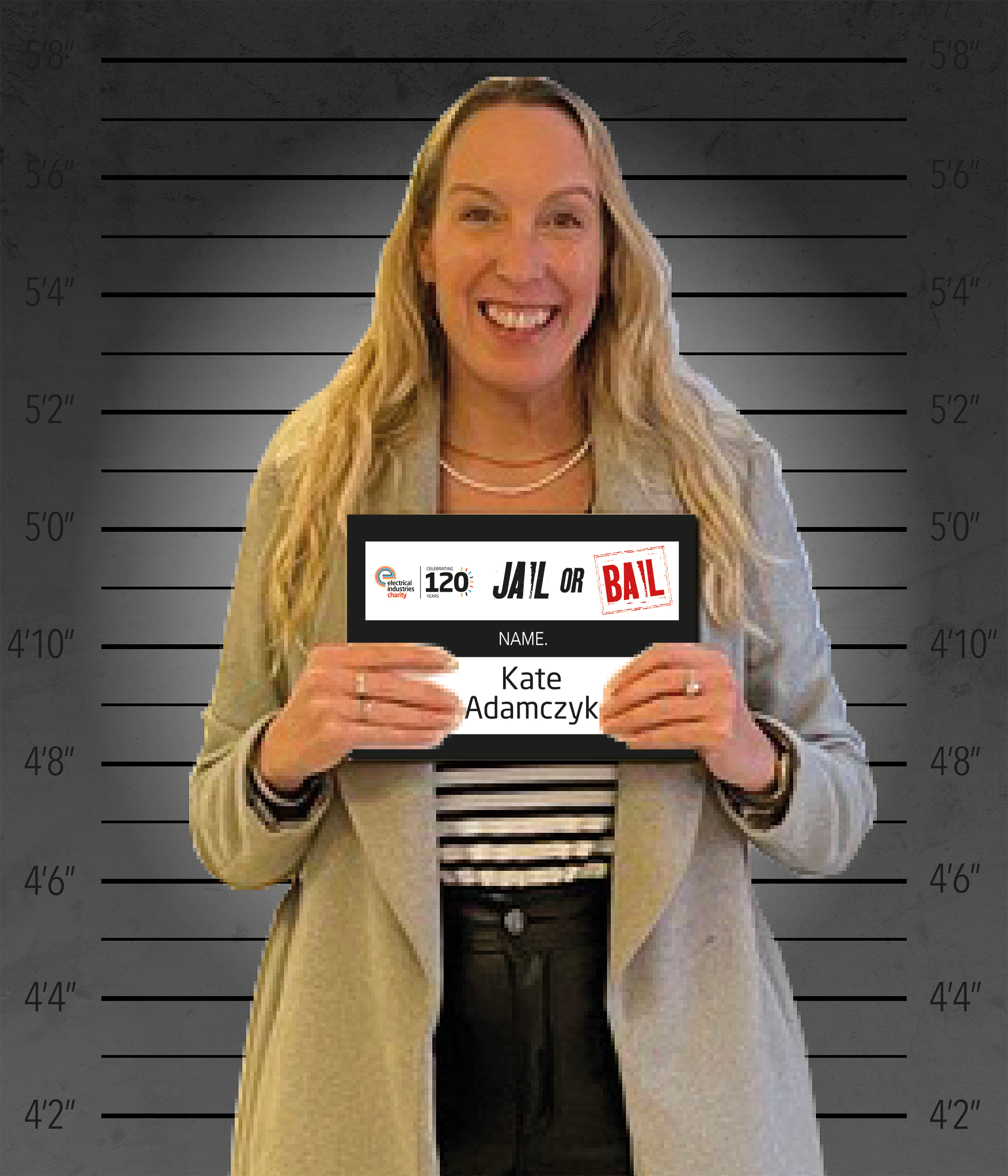
Kate Adamczyk (EIC)

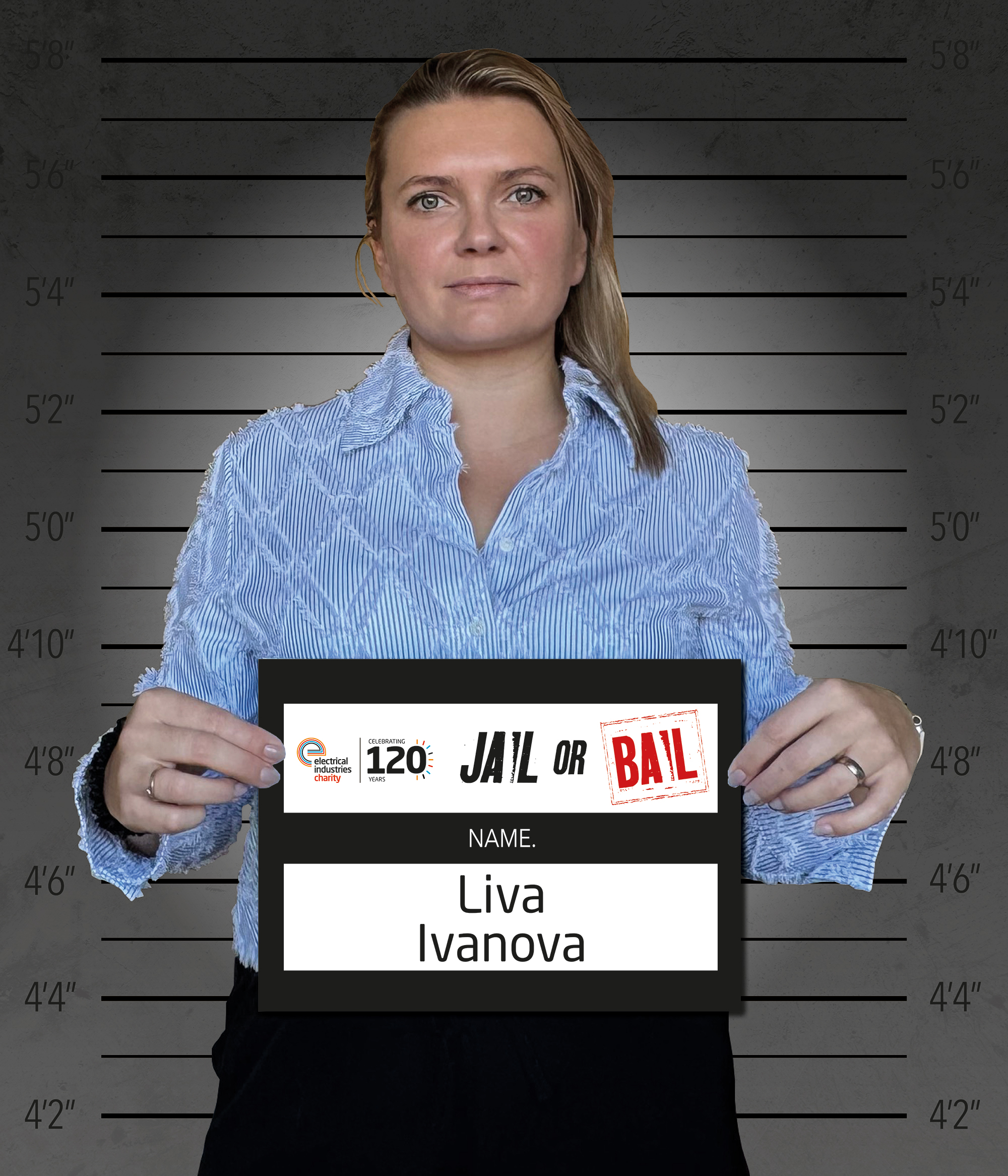
Liva Ivanova (EIC)

Samantha McFall

How You Can Help

Whether you donate to your favourite “inmate,” share the campaign on social media, or simply spread the word, your support will help the EIC reach its fundraising target and continue its essential work.

Mark your calendar for 23 January 2025, and get ready to be part of this fun and impactful event!

Electrifying Success: powerBall 2023 raises £360,000 for the Electrical Industries Charity.

On a dazzling evening at the prestigious Old Billingsgate in London more than 600 dedicated supporters of the Electrical Industries Charity gathered for powerBall 2023, generating over £360,000.

The evening started with a drinks reception that exuded an air of elegance. Guests immersed themselves in the ambience, where a live violinist’s melodies filled the air with serene vibes. Mirabella Ball dancers dazzled onlookers with their captivating performances and magicians added an extra layer of mystique to the event.

The stage was being set for what was to be a truly electrifying night and a grand display of generosity and unity.

As the dining room doors slid open, guests headed to their tables. There, they enjoyed an amazing three-course dinner. The room buzzed with conversation, laughter and the shared understanding that they were all part of something truly special.

As the coffee was poured, dinners became audience members and were transported to the world of musical theatre. Theatreland took to the stage and performed classic songs from beloved shows such as Grease, The Greatest Showman and Wicked. The talented cast’s renditions of these iconic songs left the audience spellbound. The live entertainment continued as Beats Deluxe took to the stage and had everyone on their feet, dancing the night bringing this unforgettable evening to a close.

powerBall 2023 generated £360,000 for the Electrical Industries Charity. A resounding success, a testament to the compassion and generosity of the electrical industry. It showcased the industry’s commitment to giving back and supporting those in need. powerBalll not only raises an incredible amount of money but brings the industry together in a way that transcended business and professional boundaries.

Jess Vailima, Managing Director of the Electrical Industries Charity, commented: “The success of powerBall is a testament to the incredible generosity and spirit of our industry. I would like to extend my heartfelt gratitude to our event sponsors. Their support and dedication were instrumental in making the evening truly electrifying”

Jess continues, “Together, we have not only generated £360,000 but also illuminated the path of hope and support for those in our community facing challenges. It’s a powerful reminder that when we come together, we can truly electrify lives.”

Jeremey Saunders, President of the Electrical Industries Charity, added, ” I am deeply moved and grateful for the unwavering support of our industry members. With the funds generated, we can continue our mission to provide assistance and relief to those in need within our industry.”

“powerBall stands as a testament to the heart and soul of our community. I want to extend my heartfelt thanks to the incredible team at the Electrical Industries Charity. Their dedication, hard work and tireless efforts behind the scenes are what made this event a resounding success.”