Lighting the Way: Richard Scott’s Mission to Power Change with the Electrical Industries Charity

Since joining the Electrical Industries Charity’s Emerging Professionals Board in November 2023, Richard Scott has quickly become a passionate and proactive volunteer, channelling both personal experience and industry insight into real impact. As a member of the fundraising committee and Kosnic’s official EIC Champion, Richard is on a mission to raise awareness of the charity’s essential services across the electrical sector—particularly among contractors.

Richard’s first encounter with the EIC came through LinkedIn and at industry events like the EDA summer conference. But it was a chance conversation at PowerBall with EIC Managing Director, Jess, that truly lit the spark. Richard recalls. “After PowerBall, I picked up the phone on Monday and got stuck in, I was at the next EP Board meeting without hesitation.”

For Richard, volunteering with EIC is more than a feel-good activity, it’s personal. Just a few years into his career in the electrical industry, Richard and his wife Caroline suffered the tragic stillbirth of a child. At the time, neither of them was aware that the EIC existed, let alone that it could have provided the emotional and financial support they desperately needed. “That experience has stayed with me,” he says. “If we didn’t know about the EIC, how many others don’t either? That’s what drives me—making sure people know help is there.”

It’s this sense of purpose that fuels his vision for the charity’s future. Richard is particularly focused on contractor engagement and believes EIC’s visibility must extend far beyond boardrooms and corporate events. “We need a presence at every trade counter,” he explains. “There are 2,000 across the country and every one is a touchpoint for reaching the people we’re here to help—contractors, suppliers, wholesalers. If I walk into one and there’s no EIC material, I’ll hand them some myself.”

He’s not just talking the talk. Richard is actively facilitating connections with organisations, pushing for joint branding and awareness campaigns that will ensure EIC becomes a household name within the industry. His vision includes branded brochures, event collaborations and digital content—anything that puts EIC in front of the people who need it most.

One of his proudest moments so far has been assembling ‘Team Kosnic’ for the Thames Path Challenge, a fundraising effort aiming to raise £6,000 for the charity. But for Richard, the goal is about more than numbers. “It’s about time, presence and commitment,” he says. “The contractor campaign will demand more of all of those things—and I’m ready for that.”

Richard hopes to take on an even greater strategic role in the years to come. He’s particularly excited about working alongside industry peers like Paul Brookes to build targeted campaigns aimed at contractor engagement and long-term fundraising growth. “EIC is already an incredible force for good—but as more people become aware of what we do, it has the potential to become a real cornerstone of support in our industry.”

As the Electrical Industries Charity marks its 120 year anniversary, Richard is doing more than commemorating a milestone—he’s building a movement. From the Thames Path Challenge to CEF Live and even offering the new visitor centre at Kosnic’s Swindon site as a future collaboration space, his energy is relentless and his focus crystal clear.

And when asked what he’d say to someone thinking about getting involved? His answer is as direct as it is passionate: “Do it. Do it now. And do as much as your time allows.”

Spotting the signs of struggling – checking in with yourself

Mental health is such an important and complex part of our overall well-being. It involves our emotional, psychological, and social well-being and affects how we think, feel, and act. Mental health influences how we handle stress, relate to others, and make decisions. It’s something we all have, just like physical health, and it can be nurtured, maintained, or challenged throughout our lives. 

Mental health struggles are common, but many still feel shame or fear about reaching out for help. 

Noticing the signs that you might be struggling with your mental health is an important step toward getting support. These signs can show up in different ways—emotionally, physically, or through your behaviour. 

Life can often get busy, and there are times we miss the signs our body and mind are giving. To help with this process the EIC have listed below behaviours that may be signs you are stressed or struggling. If you identify any of these in your daily routine – you know to take a moment to pause, be kind to yourself and think of ways to get support. 

  • Feeling overwhelmed, tearful, irritable, or angry for no clear reason
  • Being withdrawn, not participating in conversations or social activities
  • Increased consumption of caffeine, alcohol, cigarettes or substances
  • Trouble concentrating, remembering things, or making decisions
  • Feeling like your mind is “racing” or stuck in worry loops
  • Erratic or socially unacceptable behaviour
  • Being louder or more exuberant than usual
  • Loss of confidence
  • Presenteeism 
  • Frequent headaches, stomachaches, or unexplained pains
  • Difficulty sleeping or ongoing fatigue 
  • Neglecting responsibilities, hygiene, or appearance
  • Sudden weight loss or gain 

Please note, this list is not exhaustive and it’s crucial to remember that everyone will experience struggling differently, and for different reasons. If notice any of these signs, especially over an extended period, or anything out of character about yourself, or those around you, it could be a sign that support would be beneficial.  

Please do not hesitate to reach out for assistance. 

Responding to my needs and reaching out for support 

If you have identified that you are struggling, what can you do to help yourself?   

While not a replacement for professional help, the idea of self-care is a way of checking in with yourself and can also assist in easing the load. Some examples include: 

  •  Journaling your thoughts and emotions 
  • Getting fresh air or short walks 
  • Limiting news and social media when it feels overwhelming 
  • Reaching out to someone regularly, even if it’s just for a quick check-in  

If you are experiencing persistent symptoms and need further intervention, you can reach out to the EIC for support. Please note, the EIC is not a crisis response team, the help you require may be beyond our remit. 

Remember in an emergency to call 999 directly. If you are experiencing suicidal ideation but are not in crisis, the first step would be to contact your GP and request support from your local crisis team of community mental health team. Numbers for your local crisis team can be found by calling 111 and requesting the number. You may also need to attend your local A&E and request to speak with the duty psychiatrist.   

From the Summit to the Boardroom: A Contractor’s Journey with the Electrical Industries Charity

This month, we sat down with Elliot Tierney, a dedicated volunteer for the Electrical Industries Charity (EIC), who will also be a guest speaker at our August Wellbeing Talk. Elliot’s journey with the charity began with a challenge—quite literally—as he signed up for the Kilimanjaro “Challenge for a Cause” event in 2024. Since then, he’s become a passionate advocate for contractor engagement and joined our Emerging Professionals Board.

Not only is Elliot speaking up for the EIC—he’s wearing his heart on his sleeve. Quite literally. His recently revamped workwear now proudly features the EIC Proudly Supporting logo, a bold nod to his commitment to the EIC and the wider industry.

What follows is an inspiring look at how one person’s personal journey turned into purpose, impact and community.

How it all began

“I first joined the EIC in 2024 when I signed up for the Kilimanjaro challenge,” Elliot explains. “That experience led me to want to do more, so I joined the Emerging Professionals Board.”

As one of the few contractors on the board, Elliot sees his role as more than a seat at the table. “I feel it’s my responsibility to advocate for contractors and provide insight into how the EIC can better reach and support people in our part of the industry.”

A personal turning point

Elliot’s first contact with the charity came through regional events. “I used to attend as a guest of wholesalers or suppliers. I was always made to feel welcome, but there was often an expectation to overindulge. At the time, I didn’t have the self-control to say no.”

Those experiences triggered some important reflection. “You saw the same behaviours across the contractor community. I realised I needed to make a change—and that I wanted to give back. I first heard about the Kilimanjaro challenge at one of those events, and that’s what set me on this path.”

Finding purpose through the EIC

Along the way, Elliot recognised how easy it can be to slip into unhealthy habits and how common that is in the trade. “I was one of ‘those’ people who was getting out of control. It’s so easy in our industry to think that this behaviour is normal. I want to help change that mindset—and I believe the EIC is key to making that happen.”

What resonates with Elliot most is the personal reassurance the charity offers. “Knowing the EIC is there not just for me, but for my family if anything ever happened—that really sticks with me.”

Ambitions for the future

“My personal goal is to get the word out to contractors,” Elliot says. “There are still so many who don’t know what the EIC does or how they can access help.”

Reflecting on standout memories, one moment comes to mind instantly. “Being part of the Kilimanjaro team. That was life-changing. It’s amazing to say I’m one of a very small group of people who’ve done it. We built a family. It showed me what the EIC is all about—community, connection and support.”

Looking ahead

Elliot sees a bright future for the charity. “I see the EIC growing in its reach—especially among contractors. The addition of summer social events is helping make things more accessible and inclusive too.”

Breaking down barriers

When asked about barriers to access, Elliot is quick to point out that the only ones are self-imposed. “There are no real barriers to the EIC—just the ones we put up ourselves. People can call, fill in the web form or email directly. But pride gets in the way. Especially for contractors and especially for men—we don’t like to talk and that can stop us from getting help when we really need it.”

What’s next?

“I’m really excited to see the 120 year anniversary campaign come to life,” Elliot says. “There are some brilliant events coming up over the next few months as part of the 120 year campaign and upcoming challenge for a cause events in 2026… I can’t say too much yet, but keep an eye on the website!”

Advice for others

“If you’re thinking about getting involved with the EIC—do it,” Elliot urges. “It’s so rewarding to be part of something that gives back to our industry. The more involved you get, the more you realise the impact the EIC has—and how much more there is to do to raise awareness across the sector.”

Celebrating 120 Years

True to form, Elliot will be marking the charity’s milestone year with another daring feat—abseiling off the Europa Hotel in Belfast on 12 October, as part of the “Join Jess” campaign. “I’ve checked with my wife and I’m signed up and ready to go,” he says with a grin.

Inspired by Elliot’s journey? Whether you’re a contractor, wholesaler, supplier, or simply someone who wants to give back to our industry, there’s a place for you at the EIC.

From fundraising challenges and volunteering to joining a board or attending our events—your involvement can change lives.

💡 Start your journey today and get in touch directly at fundraising@electricalcharity.org

Together, we can power a brighter future for everyone in our industry.

Financial Support

Financial Support for Electrical Industry Professionals

At The Electrical Industries Charity, we understand that financial difficulties can impact anyone. We are here to provide the guidance you need to regain your financial stability.

Our Financial Assistance Services Include:

Emergency Relief: We offer support in times of financial crisis to help cover essentials.

Debt Management: The EIC are unable to assist with debt repayment but work alongside StepChange – the National Debt Charity to provide guidance and resources to help you manage your financial circumstances and to budget expenses.

Read our guide on Managing Your Debt: Practical Steps to Take Control.

Dealing with debt can be daunting, but taking proactive steps can help you regain financial stability. Here are some essential tips to manage your debts effectively:

Face the Situation
Ignoring debts can exacerbate problems. Confront your debts head-on to prevent them from escalating.

Assess Your Total Debt
Start by listing all your debts, including amounts owed, interest rates, and due dates. This clarity is crucial for devising a repayment strategy.

Prioritise Essential Payments
Ensure necessities like rent, mortgage, utilities, and taxes are paid first. These are critical to maintaining stability and avoiding serious consequences.

Budget Wisely
Create a detailed budget outlining your income and expenses. Identify areas where you can cut costs, such as renegotiating bills or eliminating non-essential spending.

Tackle High-Interest Debts First
Focus on paying off debts with higher interest rates to minimize long-term costs.

Explore Additional Income
Consider ways to increase your income, such as seeking additional employment opportunities or utilizing available benefits.

Avoid Further Borrowing
Resist the temptation to take on more debt. Further borrowing can exacerbate financial strain.

Seek Professional Guidance
Take advantage of free and confidential money advice services. Expert advisers can provide personalized guidance and support tailored to your situation.

Utilise Debt Management Tools
Use template letters from reputable sources to communicate effectively with creditors. These can include requests to pause proceedings, negotiate pro-rata payments, freeze interest, or propose full and final settlements.

Template letters

Use these template letters from National Debtline to help manage your debt. These can be personalise and sent to your creditors at different stages of the process to clear your debt.

Hold action on your account – this is a request to pause proceedings while you get some advice.

Pro-rata offers – ask your creditors to accept pro-rata payments on your debts.

Token payment or no offer of payment – ask your creditors to accept a token payment or no payment on your debts.

Freeze interest – this letter is for when a creditor refuses to freeze interest on your account.

Full and final settlement offer – use this letter to help you negotiate a full and final settlement offer with a creditor. This is a type of offer where you can ask the creditor to accept part of the payment you owe and write off the rest.

Financial Support

Financial Support for Electrical Industry Professionals

At The Electrical Industries Charity, we understand that financial difficulties can impact anyone. We are here to provide the guidance you need to regain your financial stability.

Our Financial Assistance Services Include:

Emergency Relief: We offer support in times of financial crisis to help cover essentials.

Debt Management: The EIC are unable to assist with debt repayment but work alongside StepChange – the National Debt Charity to provide guidance and resources to help you manage your financial circumstances and to budget expenses.

Read our guide on Managing Your Debt: Practical Steps to Take Control.

Embracing Our Differences

What is Neurodiversity?

“Neurodiversity” is the concept that there is natural variation in how people’s brains work, with no single “correct” way, and that a wide range of perceptions and responses to the world should be accepted and encouraged, including those of children with ADHD, autism, and learning differences.

The term neurodiversity was coined in the 1990s to fight stigma and promote acceptance of people with autism. But it also includes other conditions that involve neurological differences, such as ADHD and learning disorders like dyslexia and dyscalculia.

The neurodiversity movement

The neurodiversity movement was launched by Judy Singer, an Australian sociologist who is herself on the autism spectrum. Singer saw neurodiversity as a social justice movement, to promote equality of what she called “neurological minorities” — people whose brains work in atypical ways. As she defined them, those minorities included people with autism as well as ADHD and learning differences. Singer felt that these differences should not be viewed as deficits, but rather as normal and potentially valuable variations on the way brains work. Today, the growing recognition of neurodiversity is reshaping how society views neurological differences.

Emphasizing strengths in neurodiversity

A main goal of the neurodiversity movement is to shine a light on the strengths and benefits of this diversity. For example, neurodiversity often brings creativity. This is commonly seen in conditions like ADHD and dyslexia. It also includes hyperfocus and novel perspectives, which are associated with autism.

“Everybody has strengths and everybody has things that they’re working on,” notes Stephanie Lee, PsyD, a clinical psycholokigist with extensive experience working with kids with ADHD and on the autism spectrum. “Instead of thinking of people with autism or ADHD as needing to be ‘fixed,’ we put a spotlight on things that they’re good at and help with things that they’re working on.”

In this approach, focusing on strengths becomes an important part of treatment.  “Being a strength-based therapist means that I look at the strengths of the family, and of the individual,” said Dr. Lee. “And then I think, ‘How can I take this unique individual’s strengths and use them to breathe life into an evidence-based treatment?’ ”

Dr. Lee observes that this treatment approach also emphasizes helping kids work toward their own goals. It focuses on including the individual, rather than deciding the goals of treatment without their input. “If there are symptoms that are making it hard for an individual to reach their goals, that are getting in their way, that’s what we want to work on.”

Creating inclusive environments

Proponents of neurodiversity argue that some impairments affecting kids with autism, ADHD, and learning disabilities are environment-related. These challenges can be caused by issues in the surroundings they are in. For example a rigid school schedule or a loud, bright workplace can make it impossible for them to function well. They are also undermined by the social exclusion that can stem from misunderstanding by neurotypical people. That’s why another focus of the movement is to encourage changes in environments — everything from workplaces to classrooms to kids’ birthday parties — to make them more welcoming and open to those who think, process and learn differently.

Neurodiversity as identity

Neurodiversity has also evolved from a focus on individuals with a formaldiagnosis of autism, ADHD or alearning disorder to include a broader group of people, many of whom self-identify as neurodiverse. Cynthia Martin, PsyD, the Clinical Director of the Autism Center at the Child Mind Institute, describes this shift.

“The term used to be used to describe people who either had a clinical diagnosis or were borderline, with symptoms that are near the clinical threshold for a diagnosis,” she explains. “More recently, what I’ve seen is broadening to include anybody who identifies with it. People who feel that they think or process outside of the box.”

Neurodiversity, she says, has become something many people, especially adolescents, are increasingly comfortable identifying with. For kids around middle-school age who are struggling socially, identifying as neurodiverse can be a way to make sense of what they’re going through. The concept gives them a brain-based explanation for their difficulties — “Oh, I’m like this because my brain works differently.” It can also help create a sense of community with others who identify as neurodiverse.

Some children are now diagnosing themselves with conditions that fall under the umbrella of neurodiversity, seeing a potential diagnosis as a way to validate their experiences. “The result is that we’ve been seeing parents come in with their self-referred 11-to-13-year-old who wants to be evaluated for autism,” says Dr. Martin. These children may or may not end up with autism diagnoses, but an evaluation is often an important step toward helping them feel better and cope with challenges (more on this below).

Neurodiversity and behavior

Kids aren’t alone in finding comfort in the potentially broad applications of neurodiversity. Dr. Martin reports that parents, too, sometimes use the concept to describe children whose behaviors, especially their emotional extremes, don’t seem to have any other explanation.

When kids are very rigid or react with outbursts or meltdowns that seem out of proportion to the circumstances, parents often feel frustrated and confused. They start looking for an explanation. “We have parents who say, ‘Well, my child must be neurodivergent in the way they’re processing information because how could this response be anything else?’” she adds. This often leads them to seek an autism evaluation. However, other factors can also contribute to extreme moods.

What to do if a child feels they are neurodivergent?

If a child comes to a parent to say they feel they are neurodivergent, the most supportive response is to be open and empathetic, without judgment, Dr. Martin says. Saying “I’m so happy that you’re talking to me about this” is always a good place to start. Getting an evaluation is an appropriate next step, though it’s helpful not to promise the child that the evaluation will automatically lead to the diagnosis they are seeking. The evaluation will be the start of providing a solution for the issues that are concerning them.

What the evaluation should yield is a pretty comprehensive look at what the child is struggling with. And it should identify whether those struggles reach the clinical threshold for a formal diagnosis — though it not might be the diagnosis they are expecting. “Sometimes through the evaluation there is another diagnosis that a child meets the criteria for,” she says. “There might be social anxiety or a mood disorder. There could be ADHD, there could be non-verbal learning disorder. These are all diagnoses that make it difficult for individuals to navigate social relationships, group environments, and often have co-occurring challenges with sensory processing. Sometimes kids don’t meet criteria for a diagnosis of anything.”

But not meeting the criteria for a disorder doesn’t mean the child’s struggles aren’t real, Dr. Martin adds. “I tell them, ‘That doesn’t minimize your experience, so let’s talk about what we can do to support you, or find other answers if necessary.’ ”  The end result should be a plan that both parents and child can have confidence in.

Disorder vs. difference

Dr. Martin notes that while the movement to use the term “differences” rather than “disorders” has benefits, it’s still crucial to focus on actual diagnosis when children have serious symptoms.

“When kids have a disorder that is significant and will impact them on a daily basis, and will show up at school, will show up in their friendships, will show up in their home life, in their adaptive skills, you do need a diagnosis from a medical perspective,” she explains. The diagnosis provides a foundation for understanding the child’s condition and securing much-needed supports, therapies, and school services.

Recognizing neurodiverse people as having differences, rather than deficits, is important. This approach helps kids fulfill their potential and thrive. “Having the people who you are interacting with — our teachers, employers, friends and family — thinking more in terms of neurodiversity is much more inclusive, much less stigmatizing,” says Dr. Martin. “It just recognizes that there are going to be differences in how people go into an environment.”

World Autism Acceptance Month April 2025

World Autism Acceptance Month occurs every April, which is an opportunity for everyone to come together and raise awareness and foster acceptance.

National Autistic Society

World Autism Acceptance Month 2025

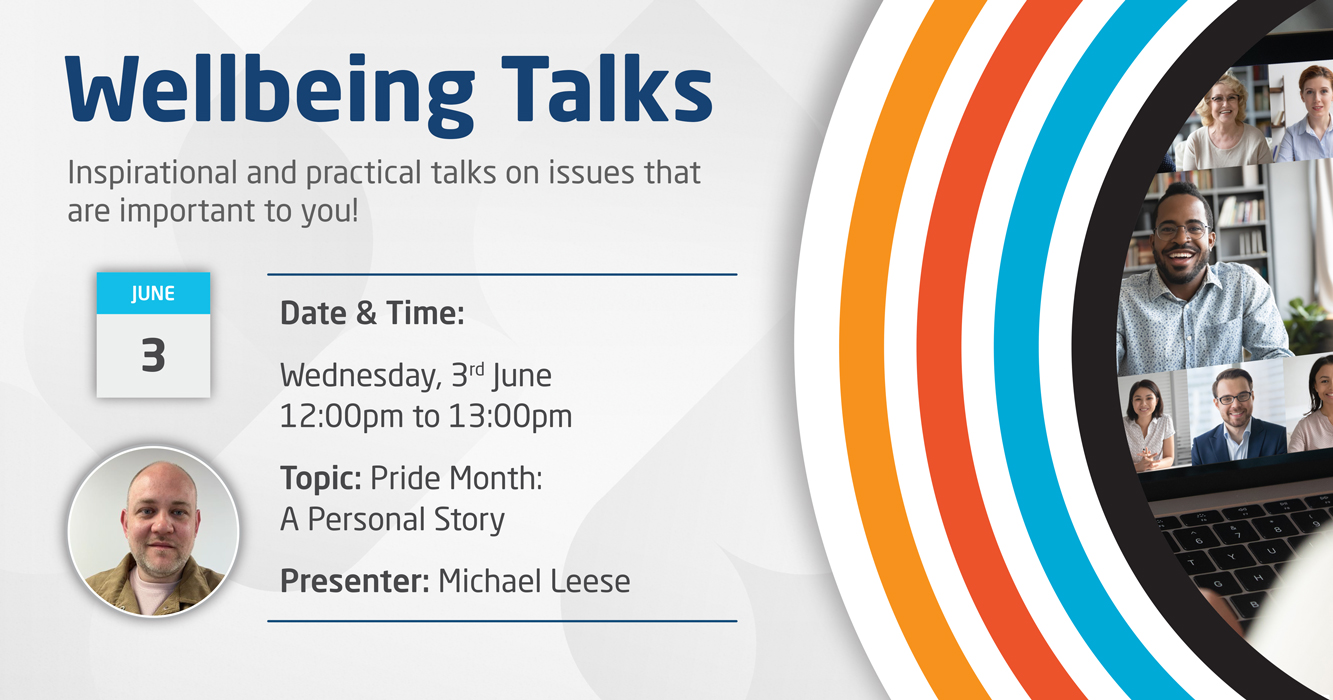
Marketing – LINK IN ROBS WELLBEING TALK


There are several excellent resources that can be used to help us when we are struggling. Our team have the following recommendations that offer support:

JAAQ

The new free, digital mental health platform allowing us to connect with world-leading experts, celebrities, and real people, sharing their own stories across 100 mental health topics. Just Ask A Question!

Hub of Hope

A directory of mental health support and services across the UK. Pop in your postcode to explore all support options available to you.

My Possible Self

Another mental health support app using clinically certified content to help to reduce anxiety, stress and low mood.


Did you know Mental Health Awareness Week is coming up next month? It will take place from 12 to 18 May 2025. This is a week dedicated to raising awareness, reducing stigma and promoting better mental health.

The theme for this year is community and the important role it plays for our mental health. A supportive community plays a significant role in both preventing and addressing mental health challenges. Communities not only provide us with a sense of connection but also the support we need during difficult moments.

  1. Emotional Support and Validation

A supportive community offers emotional comfort by being a safe space where people feel heard and understood. It is often easier to open up when others can relate, whether this be friends, family, or even online groups, having others who validate your emotions can offer reassurance, and often at times advice.

  1. Prevention of Isolation

When people feel like they’re the only ones struggling, mental health challenges can feel even heavier. A community helps reduce this through regular interaction. A community is important in offering a sense of belonging and that you are not alone.

  1. Destigmatising Mental Health

Being part of a community that openly discusses mental health helps break down the stigma surrounding it. Communities can often act as an advocacy network, helping to raise awareness, including for systematic changes to help improve mental health care access.

  1. Promoting Early Intervention

A strong community can often help prevent more serious issues by detecting warning signs early. Having others around you who genuinely care can help intervene when things start to feel overwhelming. This early intervention can lead to quicker access to help or prevent a situation from escalating. Communities that actively talk about mental health also reduce the shame around seeking help, making it easier for individuals to ask for support when they need it.

https://www.mentalhealth.org.uk/our-work/public-engagement/mental-health-awareness-week

Anxiety is an all-too-familiar and unwelcome experience of being human. Virtually everyone will feel it, in some form or another, throughout their lives. And despite its unpleasantness, anxiety has served us very well in our evolutionary history. It kept our ancestors alive – primed to notice and respond to threats before it was too late.

But we’ve come a long way since our cave-dwelling days. And the problem is, your brain hasn’t gotten the memo yet. Modern-day concerns can trigger the same anxiety, and ironically, those feelings aren’t all that dissimilar from our ancestors’ fear of a potential predator lurking in the shadows.

For example, an unexpected meeting from your boss popping up on your calendar may be a threat (and cause anxiety as a result), but it’s unlikely the life-or-death situation your emotions are suggesting it is.

So in a modern context, anxiety can often be counterproductive, especially if you’re one suffering from anxiety disorders. If we’re overly stressed and worrying about every little thing, it becomes incredibly challenging, if not impossible, to perform well. And this affects us both at work or in our personal lives.

However, mental health professionals have long advocated for grounding techniques to help individuals calm down and alleviate anxiety when it starts to spiral. One of the simplest, yet most effective, of these panic and stress management exercises is called the 54321 method (sometimes stylized as 5-4-3-2-1 grounding technique).

The 54321 technique is a grounding exercise that helps individuals manage anxiety, panic attacks, or feelings of being overwhelmed. It works by redirecting attention to the present moment and using sensory experiences to help a person reconnect with their surroundings.

What is mindfulness?

Mindfulness is about noticing what’s happening right now and being aware of the present moment. We can do this by using our senses to explore the world around us. Mindfulness helps us to focus, regulate our emotions and help us to respond rather than react.

How can mindfulness help us?

Mindfulness can help us to deal with things in a calmer way and can help us with decision making and problem solving. People who practice mindfulness are likely to sleep better, be more focused and aware. Mindfulness can also help us to be kinder and more compassionate, as well as helping us to build relationships with others.

5-4-3-2-1 grounding is a great way to practice mindfulness as it is an exercise that can be done anywhere at any time and doesn’t require any equipment. Grounding is a really good way of helping us to manage our emotions when we are feeling really overwhelmed but can also be used every day to help us regulate.

Imagine that each of us has an “emotions bucket”. Every day things happen that fill up our bucket, this could be stress of school work, fall outs with friends and anything else that makes us feel sad or worried. Eventually our bucket becomes so full that we just can’t carry it around anymore and it starts to overflow. When this happens we may start to feel really overwhelmed and like we can’t cope. Practicing grounding or mindfulness each day puts a tap on this bucket and helps us empty it a little bit each time we practice. This makes it harder for our buckets to overflow and makes it harder for us to feel overwhelmed. Mindfulness is really useful for helping us to focus on the present moment.

How to do 5-4-3-2-1 grounding

  1. Look around and name five things that you can see around you. These could be a picture on the wall or a plant in the house. Think about the colours and shapes of what you are looking at. What do you like about it? What don’t you like about it?
  2. Focus on four things that you can feel. This could be the chair you are sitting on or the feel of your clothes on your skin. Think about how they feel, are they soft or hard? Smooth or rough? Cold or warm?
  3. Name three things that you can hear around you. You may be able to hear people outside or the wind blowing. Think about how loud or quiet the noises are. Are they noises you hear often?
  4. Notice two things that you can smell around you right now. This could be a flower, the smell of your clothes or the shampoo in your hair. Think about what you like about that smell.
  5. Focus on one thing that you can taste. If you can’t taste anything, then instead you can choose your favourite thing to taste.

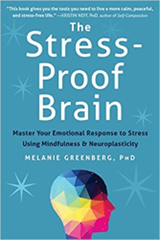
Psychologist Melanie Greenberg discusses holistic and scientific ideas about the way the brain works. Her innovative book helps us think about and develop emotional resilience.

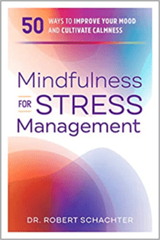
This book offers compassionate advice and insight into the most common mental health issues, including coping with stress, drawn from Dr Smith’s years as a clinical psychologist. It offers coping techniques and resilience-building exercises to help stressed readers navigate life’s ups and downs while still maintaining a level of content and peace.

Mindfulness, like any other skill, takes practice and time. This workbook is designed to help you do exactly that. It provides 50 ways to relax and manage your stressful emotions so you can continually find peace, even in difficult times.

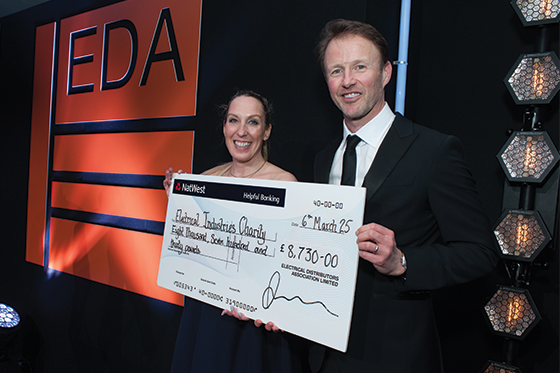
The Electrical Industries Charity (EIC) was honoured to attend the EDA’s 11th Investor in Training Awards, held on Thursday 6 March 2025 at London’s Park Lane. The evening celebrated nine outstanding winners who have shown exceptional dedication to developing talent across the electrical wholesale and manufacturing sector.

Hosted by broadcaster Colin Murray and attended by over 570 industry professionals, the event highlighted the strength of the EDA’s training and apprenticeship programme. The Awards were sponsored by EDA Apprenticeships Plus, a valued partner in workforce development.

Not only was it a night of recognition and achievement—it was also a night of generosity. Thanks to the support of attendees and sponsors, the event raised over £8,700 for the Electrical Industries Charity. These vital funds will help us continue our mission to support those in the industry facing challenging times.

Kate Adamczyk, Director of Marrketing and Business Development at EIC, said:“It was a privilege to be part of a night that truly champions growth, talent and investment in people. The winners are not just shaping careers – they’re shaping the future of our industry. At EIC, we know that a supported workforce is a stronger workforce and events like this reinforce why collaboration and development matter so much.”

We extend our thanks to the EDA and everyone who contributed to this successful evening—your support helps power our industry’s people. You can see the full list of winners here – https://www.eda.org.uk/news/investor-in-training-awards-2025/

At the Electrical Industries Charity (EIC), our volunteers are at the heart of everything we do, ensuring that those in the electrical industry receive the support they need. This month, we’re shining a spotlight on Roger Taylor, Group Projects & Sustainability Manager at H&S Electrical Wholesalers and chairperson of the newly formed North West Committee. Roger’s dedication to raising awareness and increasing support for EIC in the region is already making a lasting impact. 

A Mission to Make a Difference 

Roger first learned about the EIC around five years ago while attending a Golf Day with a previous company. He was struck by the charity’s vital work but noticed something missing—the North West had no active EIC presence. Determined to change that, Roger took it upon himself to establish a regional committee that would champion the charity’s mission and provide much-needed support to electrical professionals in the area. 

“There was no real charity presence in the North West, and I had promised a former Head Chairman that I would change that,” Roger explains. But his motivation runs deeper than just geographical representation. Having personally witnessed the impact of mental health struggles—both in his own life and through a close friend—he felt compelled to do more. “I knew I had to bring something to the table for the North West, even if it was just as a member promoting this great and much-needed charity.” 

Building Awareness and Driving Change 

Since stepping into the role of chairperson, Roger has been instrumental in establishing the North West Committee, creating a platform to not only raise funds but also to drive awareness of the support available through EIC. 

“There are very few businesses and people in the region who know that help is out there,” he says. “If we can change that, we can have an even bigger impact on those who need support during difficult times.” 

While raising funds is a key priority, Roger and his team are also focused on growing EIC’s presence in the region. Their ambition is to establish three annual fundraising events by 2026, ensuring that more people in the North West know where to turn when they need assistance. 

Celebrating Success and Looking Ahead 

One of Roger’s proudest moments so far has been seeing the committee come together to raise over £19,000 at their first event—even while he was temporarily away from work due to business commitments. “It was incredible to see the team step up and make such a huge impact right from the start,” he says. 

Looking ahead, Roger is excited about the committee’s upcoming events, including a smaller gathering in June and their second major Autumn event in Liverpool. He also hints at some special plans to mark EIC’s 120 year anniversary. “We don’t do things by halves in the North West—you’ll just have to wait and see!” 

A Call to Action 

For Roger, the most rewarding part of volunteering with EIC is knowing that the time and effort he and his committee put in could genuinely save someone’s life. He encourages anyone considering getting involved to take the leap. 

“My advice? Reach out to your local chariperson or committee member and ask them why they do what they do. Every answer will be filled with the same desire and passion – to do something good for people in need.” 

With leaders like Roger at the helm, the future of EIC in the North West is bright. His commitment to growing awareness, expanding events and supporting those in need is a testament to the power of community and the impact that dedicated volunteers can have. 

If you’d like to learn more about how you can get involved—whether as a volunteer, supporter, or committee member—click here to find out more about the ways you can make a difference.