
September

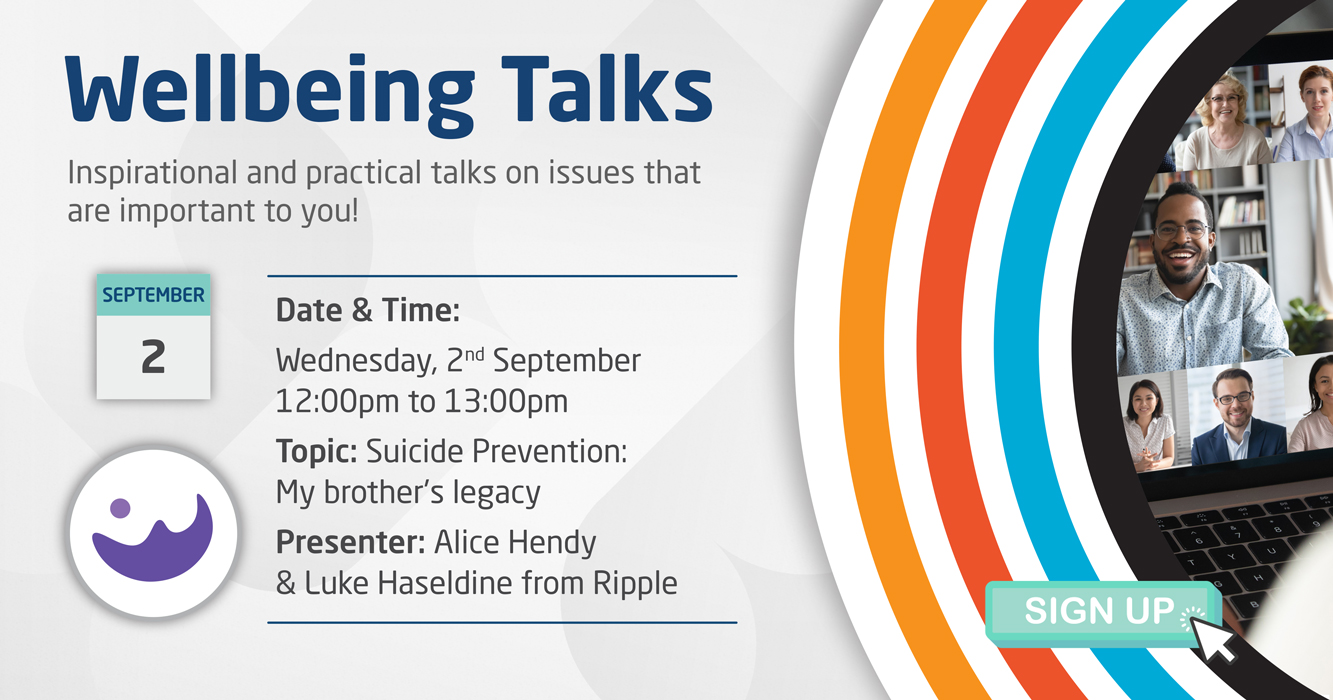
Suicide Prevention
This content mentions sensitive content around suicide. Please read with care. If you’d like help, support details are listed at the bottom of this page.
Suicide Prevention Month: You Are Not Alone
Every life matters, and every conversation can make a difference. Suicide Prevention Month is a time to raise awareness, offer support, and remind one another that help is always within reach. It’s about breaking the silence, showing compassion, and reaching out — to friends, family, colleagues, or even ourselves.
Together, we can create a world where it’s okay to talk about how we feel, where support is easy to find, and where no one has to face their struggles alone. Whether you’re reaching out for help, supporting someone else, or simply learning more, your voice and presence matter.
Understanding the Warning Signs of Suicide
Suicide is a sensitive and complex issue, but recognising the warning signs can save lives. While not every individual at risk will display clear symptoms, understanding some of the common signs can be the first step in offering support.
Emotional and Behavioural Changes
People considering suicide often exhibit sudden changes in mood or behaviour. These can include extreme sadness, hopelessness, or irritability. They may withdraw from social interactions or lose interest in activities they once enjoyed. A notable shift in behaviour—such as neglecting personal hygiene, giving away personal belongings, or exhibiting reckless behaviour—can also be indicators of someone in crisis.
Verbal Cues and Direct Statements
Often, individuals may directly or indirectly express their feelings of worthlessness or desire to die. Statements like “I can’t take it anymore,” or “I wish I wasn’t here” should never be dismissed. These verbal cues can be alarming, and it’s important to listen and take them seriously.
Physical Symptoms of Stress and Anxiety
Chronic stress, insomnia, or sudden changes in weight and appetite can signal mental health issues that may be linked to suicidal ideation. A person may also show physical signs of anxiety, such as constant nervousness, tremors, or agitation.
Risk Factors
Several factors may increase the risk of suicide, including a history of mental health disorders (depression, anxiety, bipolar disorder), previous suicide attempts, and substance abuse. Other factors include isolation, stressful life events (such as the loss of a loved one, job loss, or divorce), and a family history of suicide or mental health issues.
Recognising these signs and knowing when to intervene can play a crucial role in preventing suicide. If you or someone you know is showing these warning signs, it’s vital to seek professional support immediately. Early intervention can be life-saving.
The Importance of Mental Health Support in Suicide Prevention
Mental health plays a crucial role in suicide prevention, and addressing mental health issues early can significantly reduce the risk of suicide. Understanding the connection between mental health conditions and suicidal thoughts is essential for offering appropriate care and support.
The Connection Between Mental Health and Suicide
Mental health conditions such as depression, anxiety, and bipolar disorder are strongly linked to suicide risk. Individuals who are struggling with these disorders often experience overwhelming emotional pain and hopelessness, which can lead to suicidal thoughts. Additionally, conditions like PTSD (post-traumatic stress disorder) and schizophrenia can contribute to feelings of isolation or distorted perceptions of reality, which may increase suicidal tendencies.
The Role of Therapy and Counselling
Therapy, particularly cognitive-behavioural therapy (CBT), has been shown to be effective in treating the mental health conditions that can lead to suicidal thoughts. Counselling helps individuals address the underlying causes of their distress and provides them with coping strategies. Support groups, where individuals can share their experiences with others who understand, can also offer valuable emotional support.
Medication and Psychiatric Support
For some individuals, medication may be necessary to manage mental health conditions effectively. Antidepressants, mood stabilisers, or antipsychotics can help regulate symptoms of depression or anxiety and reduce the risk of suicidal ideation. It’s important to work with a mental health professional to ensure that the right treatment plan is in place.
Reducing Stigma Around Mental Health
One of the barriers to seeking help for suicidal thoughts is the stigma surrounding mental health. Normalising conversations about mental health and suicide prevention is key to creating a supportive environment where individuals feel comfortable reaching out for help. Training staff, educators, and community leaders to recognise mental health struggles and offer support can prevent many suicides.
Mental health support is not just about treating symptoms—it’s about offering individuals hope and the tools they need to regain control over their lives. Comprehensive mental health care, combined with social and emotional support, is vital in suicide prevention.
How to Support Someone Who May Be Suicidal
If you suspect someone may be considering suicide, knowing how to offer support can be crucial. Many people in crisis feel isolated, unheard, or helpless, and providing them with a safe, supportive space can make a significant difference. Here’s how you can support someone who may be suicidal:
Listen Without Judgement
Approach the person with empathy and a willingness to listen. Avoid being dismissive or offering quick solutions. Let them express their feelings, no matter how uncomfortable it may feel. Sometimes, just being heard can be incredibly therapeutic.
Ask Direct Questions
It may feel awkward, but it’s important to ask directly, “Are you thinking about harming yourself?” or “Do you have thoughts of suicide?” Asking doesn’t encourage suicidal thoughts; rather, it opens the door for the individual to speak about their feelings and allows you to gauge the level of risk.
Be Compassionate, Not Overbearing
Offer your support in a gentle, non-judgmental way. Reassure them that their feelings are valid and that help is available. Sometimes the person in crisis just needs to know they are not alone.
Encourage Professional Help
If someone admits to suicidal thoughts, encourage them to seek professional support immediately. Offer to help them make an appointment with a therapist or accompany them to a hospital or support centre. If the situation is urgent, do not hesitate to call emergency services or a helpline for immediate assistance.
Follow Up
After the initial conversation, continue to check in with the person. Suicidal thoughts can fluctuate, and ongoing support can provide reassurance. Let them know that you’re there for them and that they don’t have to face their struggles alone.
While you may not have all the answers, your role as a supportive listener can provide comfort and stability for someone in distress. Early intervention and ongoing support are essential in preventing suicide.
Creating a Suicide Prevention Plan for the Workplace
Workplaces are key environments for suicide prevention, as they often provide a sense of community, routine, and support. Here’s how employers and managers can create an effective suicide prevention plan to support employees’ mental health:
Establish Clear Mental Health Policies
Create a comprehensive mental health policy that includes suicide prevention measures. This should include clear guidance on how to recognise warning signs, what to do if an employee expresses suicidal thoughts, and how to connect employees with appropriate resources.
Train Employees and Managers
Provide mental health training for all employees, especially managers and HR staff. Training should focus on how to spot the warning signs of suicidal thoughts and how to respond appropriately. Ensure employees know how to approach someone in distress and the importance of referring them to professional help.
Offer Mental Health Resources
Ensure that employees have easy access to mental health resources, such as Employee Assistance Programmes (EAPs), counselling services, or crisis helplines. Make these resources visible and easily accessible and encourage staff to seek help when needed.
Foster a Supportive Work Environment
Cultivate a work culture that promotes openness, respect, and mental wellbeing. Encourage regular conversations around mental health, reducing the stigma often associated with seeking help. Supportive teams and leadership can play a significant role in preventing suicide by providing individuals with the assurance that their struggles will be taken seriously.
Implement Confidentiality and Crisis Management Procedures
Ensure that any disclosures of suicidal thoughts are handled with confidentiality and compassion. Implement a clear procedure for responding to suicide threats, involving professionals who can assess risk and provide immediate support. Having a structured plan in place ensures that employees receive the help they need quickly and discreetly.
By creating a workplace environment that values mental health and offers resources for support, employers can play an active role in preventing suicide and promoting overall employee wellbeing.

