
November

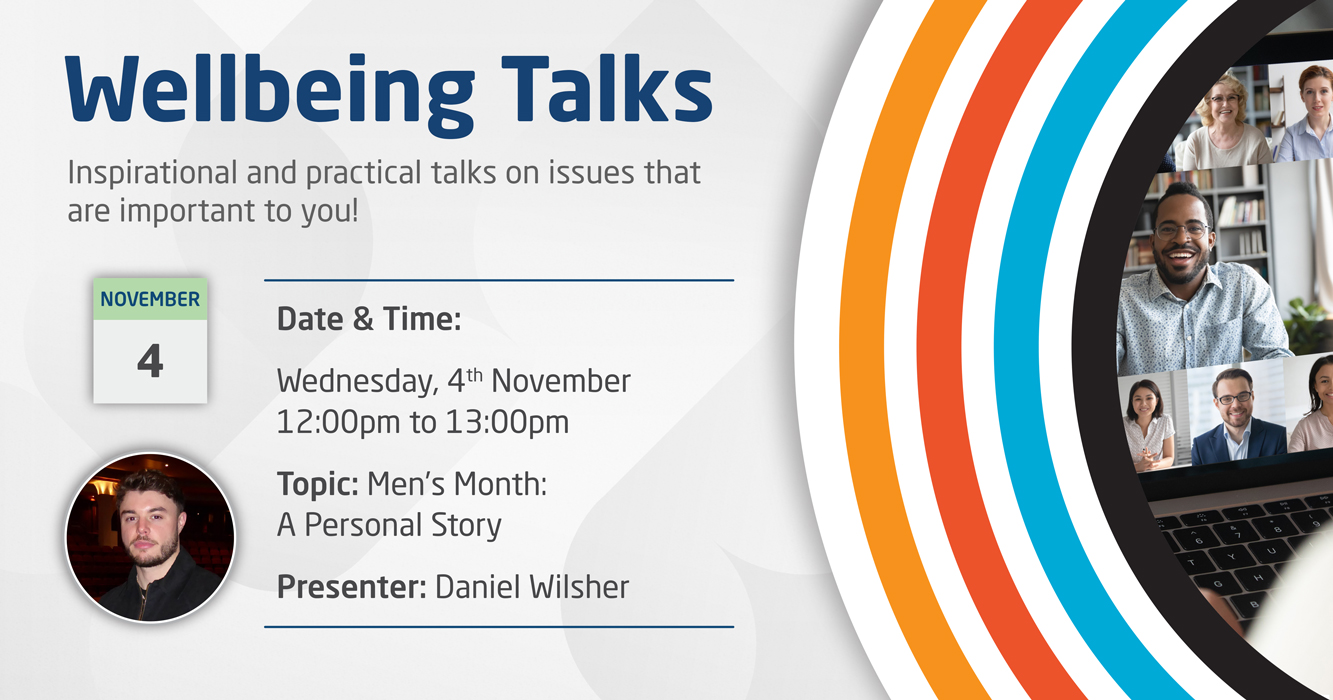
Men’s Month
Breaking the Stigma: The Pressure of ‘Being a Man’
For years, society has upheld certain expectations of what it means to “be a man” — tough, stoic, and self-reliant. These ingrained beliefs create a culture that can be emotionally stifling, leaving many men feeling like they cannot express vulnerability, seek help, or show emotion without being seen as weak. However, these societal pressures often come with a hefty toll on mental health and wellbeing.
The Expectations of Masculinity
From a young age, boys are taught to suppress their feelings, ‘toughen up,’ and avoid appearing “weak” in front of others. Terms like “man up” or “don’t cry” are deeply embedded in social norms, yet they contribute to an environment where men are less likely to talk about their emotional struggles. This creates a stigma around vulnerability that can lead to isolation, stress, anxiety, and depression.
Impact on Mental Health
The pressure to conform to these ideals can prevent men from acknowledging their mental health struggles or seeking support. According to mental health experts, men are less likely to visit a doctor, talk openly about mental health issues, or seek therapy when they’re struggling. As a result, men may turn to harmful coping mechanisms like alcohol, substance abuse, or anger to suppress emotions. Unfortunately, this can also lead to higher rates of suicide among men, particularly in middle age.
Challenging the Stigma
It’s crucial to challenge the outdated expectations of masculinity and open the door for men to show vulnerability and seek help. The first step is normalising emotional expression and encouraging men to talk about their feelings without fear of judgment. Mental health awareness campaigns, male-focused support groups, and the media’s portrayal of diverse male experiences can help shift the narrative around masculinity.
To truly break the stigma, men must be encouraged to view vulnerability as a strength, not a weakness. Only then can we create an environment where they feel supported and understood, regardless of their struggles.
Managing Financial Pressure Ahead of the Festive Season
The festive season can be a time of joy and celebration, but for many men, it also comes with a significant amount of financial pressure. The expectations to buy gifts, attend events, and meet family obligations can cause stress, particularly if you’re juggling other financial commitments. Managing this pressure is crucial for mental health and wellbeing, and with a few practical tips, men can ease the burden without sacrificing the festive spirit.
The Holiday Spending Trap
The desire to give gifts, host parties, or travel during the holiday season can quickly add up, leading many men to spend beyond their means. According to surveys, a significant number of men feel stressed or anxious about financial pressures during the holidays, with many feeling the need to “live up” to expectations or provide for others in ways they cannot afford. This can lead to guilt, stress, and even long-term debt.
Financial Planning for the Holidays
Create a Budget: Set a realistic holiday budget that accounts for all potential expenses, including gifts, travel, food, and activities. Be honest about your financial limits and stick to your plan.
Gift with Thought, Not Excess: Gifts don’t need to be expensive to be meaningful. Consider homemade gifts, experiences, or personalised presents that show thoughtfulness rather than a high price tag.
Set Expectations with Family: Talk to your loved ones about the reality of your financial situation. Setting expectations around gift-giving can reduce pressure and ensure that everyone is on the same page.
Avoid High-Interest Debt: If you must use credit cards or loans to finance your holiday spending, make sure to understand the terms and avoid carrying a balance with high interest rates. It’s better to spend what you can afford than to face debt hangover in the New Year.
Prioritising Mental Health During Financial Stress
Financial pressure can take a toll on mental health, leading to anxiety or even feelings of failure. It’s important to recognise when stress is building and to seek support. Whether it’s through financial counselling, talking to a friend, or practicing stress-relief techniques, don’t hesitate to reach out for help.
This holiday season, aim for balance: enjoy the festivities without the added stress of financial worry. By planning ahead and managing expectations, men can navigate the holidays with a greater sense of peace and satisfaction.
Taking Care of Men’s Health – Key Areas to Focus On
Men’s health is often sidelined, especially when it comes to routine check-ups and preventative care. While men are generally less likely to visit the doctor than women, prioritising regular health maintenance can prevent serious conditions and improve quality of life. Here are some key health areas every man should focus on to stay fit and healthy.
Heart Health
Heart disease remains the leading cause of death for men. Risk factors such as high blood pressure, high cholesterol, smoking, and obesity can all contribute to cardiovascular issues. To keep your heart healthy:
- Engage in regular physical activity (at least 150 minutes per week).
- Eat a heart-healthy diet rich in fruits, vegetables, lean protein, and whole grains.
- Get regular screenings for blood pressure, cholesterol, and heart disease risk.
Mental Health
Men’s mental health is just as important as physical health. Men are often less likely to talk about mental health struggles, but conditions like depression, anxiety, and stress affect many men. To protect mental health:
- Talk openly about your feelings, whether with a partner, friend, or therapist.
- Practice stress management techniques such as deep breathing, meditation, or exercise.
- Seek professional help if feelings of depression or anxiety persist.
Prostate and Testicular Health
Prostate cancer is one of the most common cancers among men, especially those over the age of 50. Testicular cancer is also a significant concern for younger men. Regular self-examinations and screenings are important in detecting issues early.
- Perform self-checks for testicular lumps or changes.
- Get regular prostate screenings based on age and family history.
Bone Health
Osteoporosis is often seen as a condition that affects women, but men are also at risk, particularly as they age. A lack of weight-bearing exercises, poor diet, and smoking can weaken bones. To improve bone health:
- Engage in strength training or weight-bearing activities.
- Ensure adequate calcium and vitamin D intake.
- Limit smoking and excessive alcohol consumption.
Taking a proactive approach to these key areas of health can increase longevity, reduce the risk of disease, and improve quality of life. Men should make health a priority, regardless of age or stage of life.
The Power of Connection – Why Men Need Social Support
In today’s fast-paced, independent world, men are often encouraged to handle everything themselves, whether it’s career pressures, family responsibilities, or emotional challenges. However, social support is crucial for wellbeing, and fostering connections with others can have profound effects on physical and mental health.
Why Social Connections Matter
Social connections can be a lifeline for men, providing emotional support, opportunities for relaxation, and a sense of belonging. Men who have strong friendships and supportive relationships tend to have lower rates of depression, anxiety, and stress, and they are more likely to engage in healthy behaviours. In contrast, men who feel isolated or lonely are at a greater risk of mental health issues, substance abuse, and even early mortality.
Building Healthy Relationships
It’s important for men to cultivate relationships that encourage vulnerability and trust. Whether it’s with a partner, close friends, or family members, these connections help men navigate life’s challenges with support. Some tips for building and maintaining strong relationships include:
- Open Communication: Share your feelings and concerns, and be willing to listen to others.
- Quality Time: Spend meaningful time with those you care about, whether it’s through shared hobbies, dinner dates, or outings.
- Support Systems: Don’t hesitate to reach out to trusted friends or professional services if you’re facing mental health challenges. A support system can be a huge asset during difficult times.
Social Support in the Workplace
Work-related stress is a significant contributor to mental health problems in men. Having supportive colleagues or mentors can help reduce work-related stress and improve overall job satisfaction. Consider seeking out workplace wellness programmes, or building a network of colleagues who can offer support and advice.
The Importance of Male Friendships
One of the strongest sources of support for men is other men. Creating or maintaining friendships with peers allows men to bond over shared experiences, discuss personal matters, and find camaraderie in a way that can promote emotional wellbeing.
In the end, fostering meaningful connections is essential for men’s mental and physical health. Reaching out and building support networks can be transformative, particularly when facing life’s inevitable challenges.

