
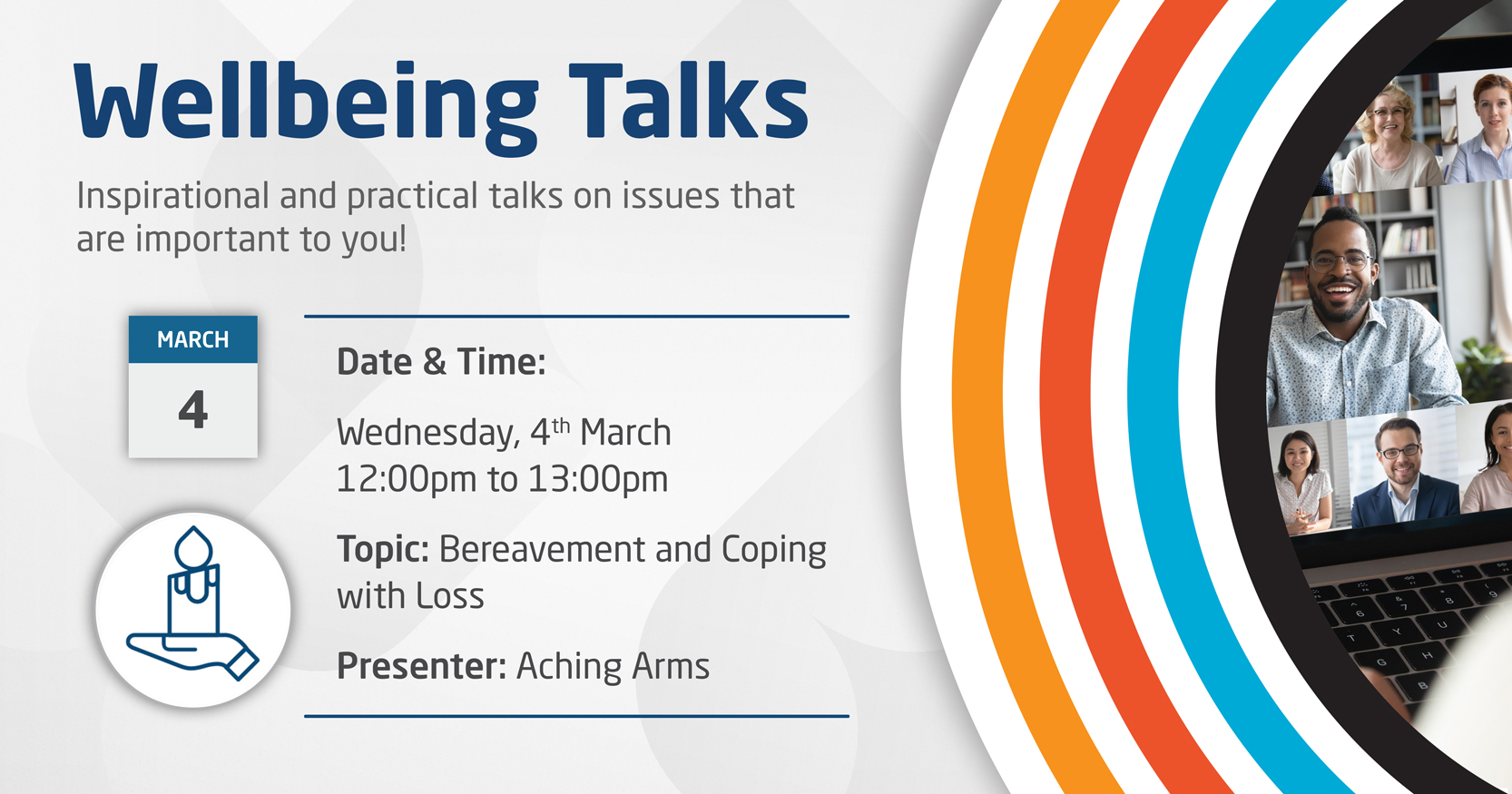
March

Grief in the Workplace: Why Compassion Transforms Recovery (and Retention)
When grief touches an employee, organisations risk more than emotional harm, they risk disengagement, reduced productivity, and even resignation.
The CIPD reports that 21 % of employees who have experienced pregnancy or baby loss received no support from their employer, while 24 % considered leaving their job as a result of how their workplace responded. When support was provided, however, its impact was profound: 60 % cited improved mental wellbeing, and 55 % regained confidence in their ability to perform (Source: CIPD.)
Child Bereavement UK hows the wider reach of grief: at any given time, one in ten employees is experiencing bereavement. Of those, one third felt they received no compassion at work, 40 % felt isolated, and 44 % took more sick leave, while 56 % would consider leaving their job if support wasn’t forthcoming (Source:Child Bereavement UK.)
There is a powerful business case for empathy, not only does it protect employees from falling through gaps, but it also supports engagement, loyalty, and retention. A workplace that values emotional safety invests in its own long‑term resilience.
Financial and Organisational Costs of Neglecting Grief
Grief at work has tangible consequences beyond emotional strain:
- It costs the UK economy an estimated £23 billion annually in lost productivity and increased demands on the NHS and social care (Source: Personnel Today)
- 43 % of employers offer no support beyond bereavement leave (Source: Employee Benefits)
- The typical compassionate leave granted is just 3 to 5 days, yet over half of bereaved employees take nearly 22 days off within six months following a loss—or require more flexible adjustments (Source: 87percent.co.uk)
- 56 % of employees said they would consider leaving their job if not adequately supported during bereavement (Source: Child Bereavement)
What Sustainable Support Looks Like:
Extend Compassionate Leave
Standard leave often falls far short. Bereaved individuals may take weeks or even months to regain emotional stability. Organisations should offer flexible and extended leave, recognising the unique nature of grief. (Source: Employee Benefits)
Introduce and Communicate Clear Policies
Only a third of companies have any bereavement policy, and many employees do not know of its existence. Employers should:
- Implement compassionate, flexible bereavement policies,
- Ensure they are well communicated across the workforce (Source: 87percent.co.uk)
Train Managers and HR Teams
Managers often feel ill-equipped. Training can help build their confidence and sensitivity, enabling better support for grieving employees.
- A psychoanalyst interviewed by the Financial Times emphasised how grief “runs counter to the forward‑thinking, productivity‑centric ethos of corporate culture”, calling for rituals, time, and emotional spaces to support staff (Source: Financial Times.)
Offer Flexible Arrangements
Grief disrupts focus and performance. Employers can:
- Provide shorter working days,
- Offer remote working,
- Lighten workloads, and
- Allow gradual phased returns to ease the transition (Source: Reuters)
Create Emotional Safety Nets
- Assign a compassionate point of contact (like a trained HR representative).
- Encourage heartfelt check‑ins.
- Make counselling and Employee Assistance Programmes (EAPs) readily available.
Grief is Not Just About Death
Grief includes loss beyond death. As noted by experts:
“Grieving is not just limited to bereavement, it also includes divorce, separation, redundancy, job loss, a significant health diagnosis, the death of a pet, and family difficulties.”
— A grief recovery educator emphasises the range of losses that affect wellbeing (Source: HR Magazine.)
A Compassionate Workplace has a Competitive Advantage
Employers who invest in emotional welfare reap dividends:
- Improved retention,
- Increased loyalty and morale,
- Long‑term productivity gains,
- Enhanced reputation and trust.
Small acts of compassion, like giving space, listening without judgment, and acknowledging loss, help employees heal and feel seen.

