
Understanding Homelessness and Supporting Change

Homelessness can affect anyone. It is often the result of a complex combination of circumstances, including financial difficulties, relationship breakdowns, health issues, unemployment, or unexpected life events. During the winter months, the challenges faced by people experiencing homelessness become even more severe, making awareness, compassion, and support especially important.

Homelessness Awareness Month encourages us to look beyond common stereotypes and recognise the real people behind the statistics. By increasing understanding and reducing stigma, we can help create stronger communities where everyone has access to safety, stability, and support.

Whether you are learning more about the issue, supporting local services, or helping someone in need, every action can make a difference.

Add to Calendar

Understanding Homelessness

Homelessness is not always visible. While some individuals may be sleeping rough, many others are experiencing hidden homelessness, including people staying temporarily with friends or family, living in unsuitable accommodation, or facing the imminent risk of losing their housing.

Common Causes of Homelessness

There is no single cause of homelessness. Factors that can contribute include unemployment, debt, rising living costs, domestic abuse, family conflict, mental health challenges, substance misuse, and physical health conditions. Sudden life events such as bereavement, illness, or relationship breakdown can also place individuals at risk.

The Impact of Homelessness

Homelessness can have a significant effect on both physical and mental wellbeing. Individuals experiencing homelessness often face increased stress, isolation, anxiety, and depression. Accessing healthcare, employment opportunities, and support services can also become much more difficult without stable accommodation.

Dispelling Common Myths

Many people assume homelessness only affects certain groups, but it can happen to anyone. Children, families, veterans, young people, working professionals, and older adults can all experience housing insecurity. Understanding this helps challenge stigma and encourages more compassionate responses.

Recognising the realities of homelessness is an important step towards creating solutions that support individuals and families in finding safe and secure housing.

The Importance of Early Support and Intervention

Preventing homelessness is often easier and less disruptive than addressing it after it occurs. Early intervention can help individuals overcome challenges before they reach crisis point.

Identifying Risk Factors

Signs that someone may be at risk of homelessness can include rent or mortgage arrears, financial hardship, relationship difficulties, difficulties managing health conditions, or receiving notice to leave their accommodation. Recognising these risks early allows support services to intervene quickly.

Financial and Practical Support

Debt advice, benefits guidance, budgeting support, and employment assistance can all help individuals maintain stable housing. Access to emergency financial support may also prevent a temporary setback from becoming a housing crisis.

Mental Health and Wellbeing Support

Mental health difficulties and homelessness can often be closely linked. Access to counselling, wellbeing services, and emotional support can help individuals build resilience, manage challenges, and improve overall stability.

Community Support Networks

Family, friends, local organisations, charities, and community groups often play a vital role in preventing homelessness. Having a support network can help people navigate difficult circumstances and access the help they need.

Early support not only improves outcomes for individuals but also strengthens communities by reducing the long-term impact of homelessness.

How to Support Someone Experiencing Homelessness

If you know someone who is experiencing homelessness or housing insecurity, your support and understanding can make a meaningful difference.

Listen Without Judgement

People experiencing homelessness often face stigma and social exclusion. Taking time to listen to their experiences with empathy and respect can help them feel valued and supported.

Offer Practical Assistance

Practical help may include supporting someone to contact housing services, helping them access food banks or community resources, or assisting with appointments and applications for support.

Encourage Professional Support

Housing services, charities, local authorities, and support organisations can provide specialist advice and assistance. Encourage individuals to seek help from professionals who can assess their needs and identify available options.

Treat People with Dignity and Respect

A simple act of kindness, conversation, or acknowledgement can have a positive impact. Everyone deserves to be treated with dignity regardless of their circumstances.

Stay Connected

If appropriate, continue to check in with someone who is struggling. Ongoing support can help reduce isolation and remind them that they are not facing their challenges alone.

Supporting someone experiencing homelessness does not require solving every problem. Compassion, understanding, and signposting to the right resources can be incredibly valuable.

Creating a Workplace Response to Homelessness and Housing Insecurity

Employers can play an important role in supporting staff who may be experiencing housing difficulties or who are at risk of homelessness.

Promote Awareness

Provide information about homelessness and housing support as part of wellbeing initiatives. Increasing awareness can help reduce stigma and encourage employees to seek help earlier.

Signpost Support Services

Ensure employees know how to access Employee Assistance Programmes (EAPs), financial wellbeing support, debt advice services, and local housing resources when needed.

Encourage Open Conversations

Foster a workplace culture where employees feel comfortable discussing personal challenges without fear of judgement. Early conversations can often identify support needs before they escalate.

Provide Flexible Support

Where possible, consider flexible working arrangements, wellbeing support, or reasonable adjustments that may help employees manage difficult circumstances.

Develop Clear Wellbeing Policies

Ensure managers understand how to respond appropriately when employees disclose financial or housing difficulties. Clear policies and referral pathways help ensure support is offered consistently and compassionately.

By recognising the impact that housing insecurity can have on wellbeing, workplaces can contribute to prevention efforts and help employees access support before they reach crisis point.

Support and Resources

If you are concerned about your housing situation or are at risk of homelessness, support is available. Contact your local authority housing team, seek advice from specialist housing charities, or speak with your Employee Assistance Programme. Early support can make a significant difference and help you access the services and guidance you need.

Men’s Health Month: Understanding Head, Neck, and Throat Cancer

Men’s Health Month provides an important opportunity to raise awareness of health conditions that disproportionately affect men. One such condition is head, neck and throat cancer, a group of cancers that are becoming increasingly common across the UK.

Men are significantly more likely than women to be diagnosed with cancers affecting the head, neck and throat. While survival rates continue to improve thanks to earlier diagnosis and advances in treatment, more than 3,000 people still lose their lives to these cancers each year. Recognising the signs and symptoms early can make a vital difference to outcomes, which is why understanding the risks and knowing how to check yourself is so important.

Add to Calendar

What Is Head, Neck and Throat Cancer?

Head, neck and throat cancer is an umbrella term used to describe cancers that develop in areas including the:

  • Mouth and tongue
  • Lips
  • Throat (pharynx)
  • Voice box (larynx)
  • Salivary glands
  • Nose and sinuses
  • Thyroid gland
  • Neck tissues and lymph nodes

Like many cancers, early diagnosis significantly increases the chances of successful treatment. Unfortunately, many symptoms can be mistaken for common illnesses, meaning people may delay seeking medical advice.

Self-checking for head, neck, and throat cancer

Oracle Head & Neck Cancer UK recommends carrying out a simple two-minute self-check regularly. If you are in a higher-risk group, try incorporating these checks into your daily routine while brushing your teeth, shaving or carrying out your skincare routine.

  • Hoarseness: Say your name out loud. If you notice hoarseness or vocal changes that last more than three weeks, book an appointment to get checked.
  • Earache: Take notice of any ear pain, especially if it’s one-sided and unexplained.
  • Lumps: Run your fingers along your neck, jaw, and under your chin. Do you notice any unusual lumps, bumps, or swelling? Especially if they don’t disappear after three weeks, it’s important to get it checked.
  • Pain: Persistent throat pain, pain on one side of the throat, or discomfort that worsens over time should not be ignored. If symptoms continue for several weeks, seek medical advice.
  • Ulcers: Look inside your mouth and check for ulcers, red patches, white patches or any changes that have not healed after three weeks. Use your tongue to feel around the inside of your mouth for anything unusual.
  • Swallowing: Take a sip of water. Does swallowing feel uncomfortable? Do you experience pain, a sensation that food or drink is sticking, or difficulty swallowing? These symptoms should always be investigated.

Risk Factors and Causes

Several factors can increase the risk of developing head, neck and throat cancers.

  • Tobacco Use

Tobacco remains one of the leading causes of head and neck cancer. This includes:

  • Cigarette smoking
  • Cigars
  • Pipes
  • Smokeless tobacco products
  • Chewing tobacco products such as paan and gutkha
  • Snuff

The longer an individual uses tobacco products, the greater the risk.

  • Alcohol Consumption

Regular and excessive alcohol consumption can also increase the likelihood of developing these cancers. When smoking and alcohol use are combined, the risk increases significantly.

  • Human Papillomavirus (HPV)

Some throat and neck cancers are linked to infection with the Human Papillomavirus (HPV). HPV is a common virus that affects many people during their lifetime and is now recognised as a growing cause of certain head and neck cancers.

  • Additional Risk Factors

Other factors that may contribute include poor diet, prolonged sun exposure to the lips, and occupational exposure to certain chemicals and substances.

Life After Treatment

Completing treatment for head, neck and throat cancer is a major milestone, but recovery often continues long after treatment ends.

Many people experience physical and emotional changes that can affect their quality of life, including:

  • Fatigue and reduced energy levels
  • Changes to speech or swallowing
  • Loss or alteration of taste
  • Body image concerns
  • Emotional challenges such as anxiety or low mood
  • Changes in intimacy and relationships
  • Fertility concerns
  • Ongoing follow-up appointments and monitoring

It is important to remember that these feelings and experiences are a normal part of adjusting to life after cancer. Recovery takes time, and seeking support is a sign of strength, not weakness.

Lifestyle changes

Positive lifestyle choices can play an important role in helping your body recover and supporting your long-term health.

  • Avoid smoking: Quitting smoking can have a significant health advantage, especially when recovering from head, neck, and throat cancer. A great way to get started is to contact your GP or local Stop Smoking Service for support.
  • Reduce alcohol intake: Set a weekly drink limit, aiming for at least three days a week without alcohol, and alternate each alcoholic drink with a glass of water or soft drink.
  • Stay active: Staying active can help your body recover whilst improving your mental wellbeing. Start slow, with light housework or gardening, reduce your time laying down, and build up to taking regular walks throughout the day.
  • Eat healthy: Eating healthy can help you regain a sense of control, and help you feel like you’re doing the best for your health.

Supporting Someone Living with Cancer

When a family member, friend or colleague is diagnosed with cancer, it can have a profound impact on everyone around them. Many carers find themselves balancing emotional support, practical responsibilities and concerns about the future.

Caring for someone with cancer can be rewarding, but it can also be exhausting. It is perfectly normal to experience emotions such as:

  • Shock and disbelief
  • Anger or frustration
  • Worry and anxiety
  • Stress
  • Loneliness
  • Guilt
  • Grief for lost plans or expectations

Many carers feel pressure to stay positive at all times, but it is important to acknowledge your own emotions and seek support when you need it.

If feelings of sadness, anxiety or overwhelm become persistent and start affecting your ability to function day to day, consider speaking with your GP or a mental health professional.

Looking After Yourself as a Carer

Supporting someone else starts with taking care of yourself.

Tips for looking after yourself

  • Eat well: Try to eat healthily and have regular meals.
  • Be active: This could be a short walk or more structured exercise, it is good for both your physical and emotional wellbeing.
  • Get enough sleep: This can be difficult if you are worrying, talk to your doctor about it if it is a problem.
  • Talk to someone: Talk to other friends or family about how you’re feeling, sharing your feelings can help you in the same way it can help the person with cancer.
  • Take breaks: When you’re caring for someone especially someone you love it is extremely tiring, you’ll be able to cope better if you do have breaks.

If you or someone you care about needs additional support, remember that the Electrical Industries Charity is here to help. Our services are available to people currently working within the electrical and energy industries, their family members, apprentices, and those who have retired from the sector.

Whether you need practical assistance, emotional support or someone to talk to, help is available.

Additional support:

Macmillan Cancer Support: A charity that gives practical and medical support to people with cancer in the UK.

Oracle Head & Neck Cancer: UK charity dedicated to head and neck cancer.

Maggie’s Centres: A national charity offering care and support to people afected by cancer accross the UK.

Remember

If you notice any unusual symptoms that persist for more than three weeks, do not ignore them. Seeking medical advice early can make a significant difference. A simple check today could lead to an earlier diagnosis and better treatment outcomes tomorrow.

Understanding Endometriosis and PMOS

For generations, society and medicine have too often treated female pain as simply a normal part of being a woman. As a result, many women spend years seeking answers for symptoms that significantly affect their quality of life. Two of the most common reproductive health conditions are endometriosis and PMOS (formerly known as PCOS). Despite affecting millions of women worldwide, there is currently no known cause or cure for either condition.

Add to Calendar

Endometriosis

Endometriosis is a chronic condition in which tissue similar to the lining of the womb grows elsewhere in the body, often causing severe and sometimes debilitating symptoms. It affects around 1 in 10 women and people assigned female at birth from puberty through to menopause, although its impact can continue long after.

Recent data from Endometriosis UK reveals that the average time to receive a diagnosis in the UK is now 9 years and 4 months, an increase from the previous average of 8 years. This prolonged delay means many people spend years struggling with symptoms without appropriate treatment or support.

Symptoms of Endometriosis:

  • Pelvic pain
  • Painful periods that interfere with everyday life
  • Heavy menstrual bleeding
  • Pain during or after sex
  • Painful bowel movements
  • Pain when urinating
  • Difficulty getting pregnant (up to 70% of those with endometriosis will be able to get pregnant naturally)
  • Fatigue, with one or more of the above symptoms

How Does Endometriosis Differ from a Normal Period?

A typical period may involve mild to moderate cramping that can usually be managed with over-the-counter pain relief, heat, or light exercise. The discomfort tends to occur only during menstruation and remains relatively consistent over time.

Endometriosis pain, however, is often far more severe. Many people describe it as debilitating, affecting their ability to work, study, socialise, or carry out everyday tasks. The condition is frequently accompanied by heavy bleeding, pain during sex, and bowel or bladder symptoms that do not respond to standard pain relief. Unlike normal menstrual discomfort, endometriosis pain can worsen over time and may occur throughout the month, not just during a period.

Adenomyosis

A condition closely related to endometriosis, but far less widely known, is adenomyosis.

Adenomyosis occurs when tissue similar to the lining of the womb grows into the muscular wall of the uterus. Like endometriosis, it responds to hormonal changes during the menstrual cycle and can cause significant pain and heavy bleeding. It is estimated to affect around 10% of women and people assigned female at birth. Some people have either adenomyosis or endometriosis, but it is common to experience both conditions simultaneously.

PMOS (Also Known as PCOS)

Polyendocrine Metabolic Ovarian Syndrome (PMOS) (formerly called PCOS) is a very common condition that affects 1 in every 8 women in the UK (Verity).

PMOS can manifest differently in each person and can have a profound impact on physical health, emotional wellbeing, self-esteem, and quality of life.

Symptoms of PMOS:

  • Irregular periods
  • Excess hair
  • Acne
  • Alopecia (hair loss)
  • Weight management difficulties
  • Depression
  • Anxiety

People with PMOS are also at increased risk of longer-term health conditions, including insulin resistance, type 2 diabetes, cardiovascular disease, and obesity. The emotional impact of these symptoms can be equally significant, particularly when individuals struggle to obtain answers or adequate support.

The Effect of Stigma on Women’s Health

Taboos surrounding periods and reproductive health can lead to serious symptoms being dismissed as “normal”. Many women grow up believing that severe pain is something they simply have to endure, meaning they may not seek medical advice until symptoms become overwhelming.

At the same time, those living with endometriosis and PMOS often report not feeling heard or taken seriously by healthcare professionals. According to research by Wellbeing of Women UK, nearly two-thirds of women experiencing period-related symptoms sought medical help, yet many did not receive a diagnosis, treatment plan, or appropriate follow-up care.

These experiences can leave individuals feeling isolated, frustrated, and reluctant to continue seeking support, further delaying diagnosis and treatment.

How to Support Someone with Endometriosis or PMOS

  • Believe their pain: Many people with endometriosis or PCOS do not feel that their pain is understood, and many have experienced not being listened to by medical professionals. Validate their pain, and never tell them that it’s “just a period”.
  • Ask how you can help: Different people have different needs, so it’s best to ask someone what will help them most during a flare up.
  • Be flexible with plans: Many people with endometriosis or PCOS experience shame from cancelling plans at the last minute. Remember to show understanding, as their pain can be debilitating.
  • Advocate for them: Help them write dowen a log of their pain and/or symptoms, offer to accompany them to doctor’s appointments, and speak up if a doctor minimises symptoms or refuses a referral.

Endometriosis and PMOS affect millions of people, yet awareness, research, and timely diagnosis continue to lag behind. No one should have to wait years for answers or feel that debilitating pain is simply something they must live with.

By challenging stigma, listening to those affected, and encouraging open conversations about reproductive health, we can help create a future where symptoms are recognised earlier, diagnoses come sooner, and individuals receive the support and treatment they deserve.

Suicide Prevention: The Power of Conversation and Recovery

Every conversation has the potential to save a life. Suicide Prevention Month is an opportunity to challenge stigma, encourage open discussions about mental health, and remind people that support is available.

Talking about suicide can feel uncomfortable or overwhelming, but avoiding the subject can leave people feeling isolated and alone. Compassionate conversations can provide hope, reassurance, and a pathway to professional support.

Recovery does not end when a crisis passes. Individuals who have experienced a suicide attempt often require ongoing support, understanding, and connection. By learning how to talk about suicide and support recovery, we can help create communities where people feel safe asking for help and supported throughout their journey.

Add to Calendar

How to Talk About Suicide

Many people worry that discussing suicide may encourage someone to act on their thoughts. In reality, creating a safe space to talk can help individuals feel heard and reduce feelings of isolation.

Start with Compassion

If you are concerned about someone, choose a private and appropriate time to talk. Approach the conversation with empathy and care. Simple statements such as “I’ve noticed you don’t seem yourself lately” or “I’m concerned about how you’ve been feeling” can help start a supportive discussion.

Ask Directly

It is important to ask clear and direct questions if you believe someone may be experiencing suicidal thoughts. Questions such as “Have you been having thoughts about ending your life?” or “Have you been thinking about suicide?” can help the person speak openly about their experiences.

Listen Without Judgement

Allow the person to talk without interrupting, criticising, or trying to immediately solve their problems. Acknowledge their feelings and experiences. Even if you do not fully understand their situation, showing empathy can help them feel less alone.

Avoid Dismissing Their Feelings

Comments such as “You have so much to live for” or “Others have it worse” may unintentionally minimise the person’s distress. Instead, focus on listening and validating their experiences while encouraging professional support.

Encourage Safety and Support

If someone discloses suicidal thoughts, encourage them to reach out to a healthcare professional, crisis service, trusted friend, family member, or support organisation. If there is an immediate risk of harm, contact emergency services or an appropriate crisis service immediately.

Talking openly about suicide can be difficult, but these conversations can help people feel supported and connected during times of crisis.

Supporting Someone After a Suicide Attempt

Recovering from a suicide attempt can be a complex and emotional journey. Individuals may experience a wide range of feelings, including relief, shame, fear, confusion, or uncertainty about the future.

Offer Ongoing Support

Recovery often takes time. Continue checking in with the person regularly and remind them that support remains available. Small gestures of kindness and consistent communication can make a significant difference.

Listen to Their Experience

Every person’s experience is unique. Allow them to discuss their feelings at their own pace without pressure. Respect their choices while offering encouragement and understanding.

Support Professional Treatment

Individuals may be engaging with counselling, therapy, mental health teams, or medical professionals following a suicide attempt. Encourage attendance at appointments and support them in maintaining their recovery plan where appropriate.

Recognise That Recovery Is Not Always Linear

There may be good days and difficult days. Recovery can involve setbacks, and this does not mean progress has failed. Patience and continued support can play an important role in long-term wellbeing.

Encourage Healthy Connections

Friends, family members, peer support groups, community organisations, and workplace support services can all contribute to reducing isolation and promoting recovery.

A suicide attempt does not define an individual. With appropriate support, treatment, and understanding, many people move forward and build meaningful, fulfilling lives.

Looking After Yourself While Supporting Someone Else

Supporting someone who is experiencing suicidal thoughts or recovering from a suicide attempt can be emotionally challenging. It is important to recognise your own wellbeing needs while helping others.

Set Healthy Boundaries

While being supportive is important, you are not expected to manage the situation alone. Encourage professional support and recognise the limits of your role.

Seek Advice When Needed

If you are concerned about someone’s safety, speak with a healthcare professional, crisis service, safeguarding lead, or other appropriate support provider. Getting advice can help you respond effectively.

Take Care of Your Own Wellbeing

Make time for rest, self-care, and support from trusted individuals. Speaking with a supervisor, colleague, counsellor, or support service can help you manage the emotional impact of supporting someone through a difficult period.

Remember That You Are Not Responsible for Someone Else’s Choices

You can provide support, encouragement, and compassion, but ultimately professional assessment and intervention may be required. Being present and supportive is valuable, even when situations feel difficult.

Supporting others is important, but maintaining your own wellbeing helps ensure you can continue offering effective and compassionate support.

Creating a Supportive Workplace Following a Suicide Crisis

Workplaces can play a significant role in supporting employees affected by suicidal thoughts, suicide attempts, or mental health crises.

Promote Open Conversations

Encourage a workplace culture where mental health can be discussed openly and respectfully. Reducing stigma makes it easier for employees to seek help when they need it.

Support Employees Returning to Work

Following a mental health crisis or suicide attempt, returning to work may feel overwhelming. Managers should work collaboratively with employees to discuss any adjustments, support needs, and wellbeing plans.

Train Staff and Managers

Mental health awareness and suicide prevention training can help employees recognise warning signs, have supportive conversations, and signpost colleagues to appropriate resources.

Signpost Available Support

Ensure employees know how to access Employee Assistance Programmes (EAPs), counselling services, occupational health support, and crisis resources.

Foster a Culture of Compassion

When individuals feel respected, valued, and supported, they are more likely to seek help early and engage with available support services.

By creating psychologically safe workplaces, organisations can help reduce stigma, encourage help-seeking, and support individuals throughout recovery.

Support and Resources

If you or someone you know is experiencing suicidal thoughts, support is available. Speak to a GP, mental health professional, trusted family member, or contact an appropriate crisis support service. In an emergency or if there is an immediate risk to life, contact emergency services immediately.

Remember: talking about suicide does not create risk. Compassionate conversations, professional support, and ongoing connection can save lives. You are not alone, and help is available.

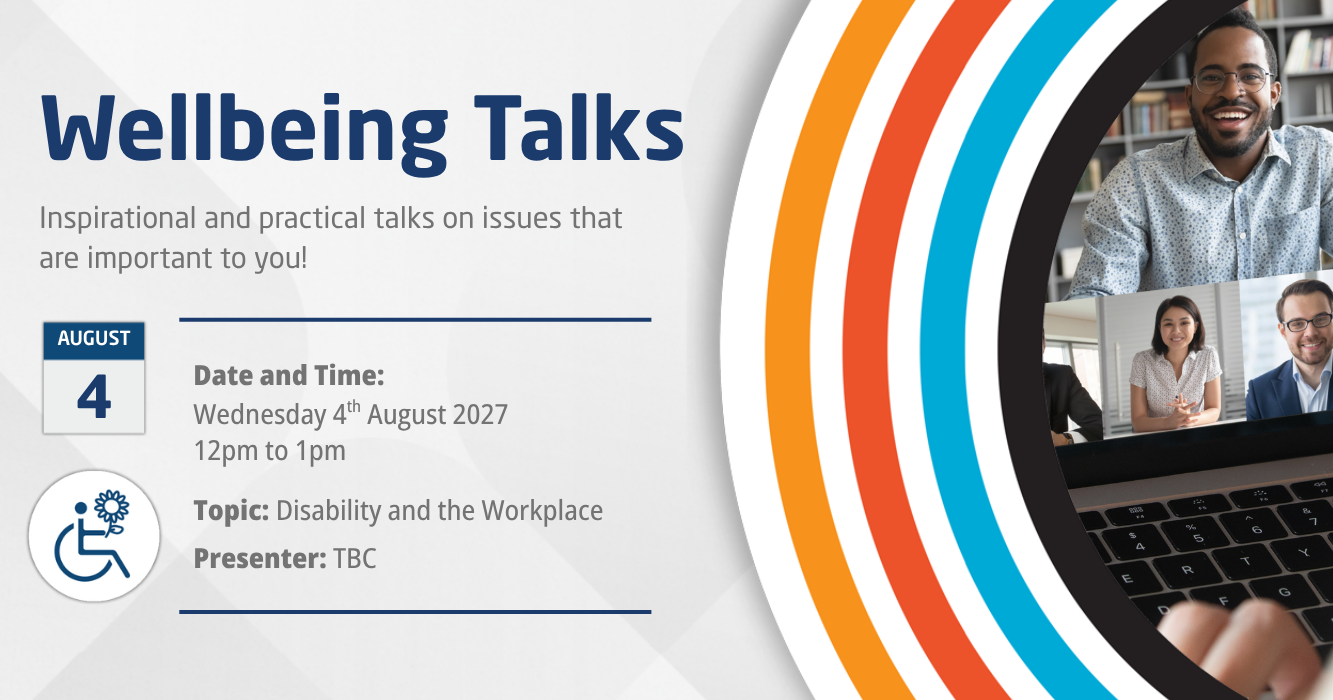
Disability in the Workplace: Rights, Inclusion and Support

An inclusive workplace is one where everyone has the opportunity to succeed, regardless of disability. Yet many disabled people continue to face barriers at work, from inaccessible environments and negative assumptions to difficulties accessing the adjustments they need to thrive.

Disability can affect people in different ways, and not all disabilities are visible. Some employees may require workplace adjustments, while others may need understanding, flexibility or additional support at different points in their working lives.

When workplaces remove barriers and support diverse needs, everyone benefits.

Add to Calendar

Supporting Yourself in Challenging Moments

Difficult emotions can sometimes lead to unhealthy coping behaviours, such as excessive alcohol consumption, gambling, overspending, or social withdrawal. While these may seem to offer temporary relief, they can often create additional emotional, financial, and relationship difficulties.

Disability Defined Under the Equality Act

A person is considered Disabled under the Equality Act 2010 if:

  • they have a physical or mental impairment, and,
  • the impairment has a substantial and long-term adverse effect on their ability to carry out normal day-to-day activities,
  • Impairment has a long-term effect if it has lasted or is likely to last for more than 12 months. If you have a fluctuating condition, you would be covered as long as the effects of it reoccur for 12 months or more.

Not all disabilities are visible

When people think about disability, they often picture visible physical impairments. However, many disabilities are non-visible.

Examples include:

  • Autism
  • ADHD
  • Dyslexia
  • Diabetes
  • Epilepsy
  • Multiple Sclerosis (MS)
  • Spinal Muscular Atrophy (SMA)
  • Myalgic Encephalomyelitis/Chronic Fatigue Syndrome (ME/CFS)
  • Chronic pain conditions
  • Mental health conditions
  • Hearing impairments
  • Visual impairments

It is important not to make assumptions about a person’s needs or abilities based solely on appearance.

Disability Discrimination at Work

The Equality Act protects disabled people from discrimination at work.

It is unlawful for an employer to treat a disabled person less favourably than a non-disabled person in comparable circumstances because of their disability.

Employers must also ensure their recruitment, promotion, training and workplace practices do not unfairly disadvantage disabled employees or job applicants.

In many cases, an employer must know, or reasonably be expected to know, that an employee is disabled before they can be held responsible for disability-related discrimination.

Examples of what could amount to direct discrimination:

  • Refusing promotion or training opportunities because an employee is disabled.
  • Subjecting an employee to a capability review because they are disabled.
  • Paying an employee differently or withholding bonuses because of their disability.
  • Excluding an employee from work events because they are disabled.

Discrimination Arising from Disability

It is also unlawful for an employer to treat someone unfavourably because of something connected to their disability, unless that treatment can be objectively justified.

To justify such treatment, an employer must demonstrate that it is a proportionate way of achieving a legitimate aim and that there are no less discriminatory alternatives available. They must also consider whether reasonable adjustments could remove the disadvantage.

Here are some examples of what could amount to discrimination arising from disability:

  • Dismissing an employee or reviewing their performance because they have taken disability-related sickness absence.
  • Introducing strict performance targets despite knowing that a disability affects the speed at which certain tasks can be completed.
  • Beginning disciplinary action after an emotional outburst linked to a known mental health condition.
  • Holding important meetings or training sessions in inaccessible locations.
  • Assuming a disabled employee is unable to manage a promotion because of their condition.
  • Requiring an employee to return to work on a less favourable contract after a period of sickness absence.
  • Rejecting a job applicant because they appear low in energy, despite knowing they have a condition such as ME/CFS that causes fatigue.

Duty to make reasonable adjustments

Employers have a legal duty to remove or reduce workplace barriers faced by disabled employees. This is known as the duty to make reasonable adjustments.

The duty applies where workplace practices, policies, procedures or physical features place a disabled employee at a substantial disadvantage compared to non-disabled colleagues.

Reasonable adjustments may include changes to working arrangements, physical alterations to the workplace, or the provision of specialist equipment and support.

Here are examples of what could amount to reasonable adjustments:

  • changing your work pattern, working hours or your responsibilities;
  • counting and recording disability related absence separately to sick leave;
  • making the office more accessible (such as relocating your desk, or installing a ramp a lift or a hearing loop);
  • paying for a BSL interpreter so you could go on a training course;
  • providing a support worker;
  • allocating you a desk in a quieter part of the office;
  • giving you an allocated parking space;
  • purchasing software or providing other devices (such as a screen reader);
  • adjusting any recruitment, performance, capability or redundancy process;
  • allowing you to come in late or take breaks at work, and/or work from home;
  • paying for a taxi to take you to meetings;
  • providing information in an alternative format.

Your employer will only be required to implement adjustments which would be ‘reasonable’ for them to implement in the circumstances. This includes reference to their resources, the cost involved, the impact on others / their business, and whether the adjustments have a real prospect of being effective.

Access to Work: Additional Support

Many employees and employers are unaware that additional support may be available through the Government’s Access to Work scheme.

Access to Work can help fund workplace support including:

  • Specialist equipment and assistive technology.
  • Adaptations to the workplace.
  • Support workers.
  • Travel assistance where public transport is not suitable.
  • Mental health support services.
  • Communication support at interviews and in the workplace.

This support can help remove barriers and make employment more accessible for disabled people.

How to create a more inclusive workplace

Building an inclusive workplace requires more than complying with the law. It involves creating a culture where disabled employees feel valued, respected and supported.

  • Have a clear adjustments policy: A visible and effective workplace adjustments policy reassures employees that support is available and promotes confidence in requesting adjustments.
  • Ask employees about their needs: Asking employees in their initial 1:1’s what they need from you to be able to succeed is a great way to foster openness and understanding in your workplace
  • Staff networks: Facilitating a Disabled Employee Network or Consultation Network can foster an inclusive culture and allow employees to advise on ways your organisation can improve inclusion
  • Regular training: All employees must understand the importance of inclusion and how to support co-workers. Provide regular training on disability awareness and inclusion practices
  • Ensure physical accessibility: Installing ramps or level thresholds at all main entrance points, replacing push-pull doors with automatic doors, providing accessible parking, access to lifts, accessible bathrooms, and create personal evacuation plans for employees who require assistance
  • Celebrate strengths: Disabled employees bring a wide range of skills, experiences and perspectives. Recognising and celebrating those contributions helps foster a culture of belonging and respect.

Returning to work when you’ve become disabled

Returning to work post disability can feel like a huge step, especially if you’ve been out of work for a while due to illness, injury, or a long-term condition.

When coming back to work, things may be different. Your confidence may have taken a hit, and your way of doing things may have changed. Give yourself time and be patient with your progress.

  • Make a “back to work” plan: Your GP can advise you on what kind of work you’re ready to do and when, and can provide you with a fit note that explains your situation
  • Contact a disability employment advisor: A disability employment adviser can help you explore career options, identify training opportunities and access support schemes.
  • Talk with your manager: Employers have a legal responsibility to consider reasonable adjustments and support a safe return to work. Discuss what support may help you transition back into the workplace.
  • Start slowly: Reduced hours, phased returns, volunteering or amended duties can help rebuild confidence and stamina.
  • Look for Disability Confident employers: If you’re job hunting, many organisations participate in the Disability Confident scheme, demonstrating a commitment to recruiting, retaining and developing disabled employees.
  • Advocate for yourself: Remember that you have legal rights under the Equality Act. If you need workplace adjustments, raise these with your employer. In most circumstances, employees should not be expected to fund their own reasonable adjustments.

How to be a disability ally

39% of disabled workers in the UK have experienced bullying, discrimination, or harassment at work due to their disability. Allies play an important role in creating safe, respectful, and inclusive workplaces.

  • Listen: Listen to what disabled people have to say about what adjustments they need, how they were treated, if something is inaccessible, or if you’re designing something for disabled people.
  • Consider your language: Language is powerful, and words can hurt. Be mindful of the language you use, and when talking to individuals, follow the language the disabled person uses.
  • Do not assume: Many disabilities are invisible. Do not assume that someone is or is not disabled, and never assume someone is exaggerating or faking disability just because you cannot see it.
  • Do not push: Disabled people often know their limitations. If they say they cannot do something, listen to them, even if they ‘look ok’. Do not pressure them to change their mind or to agree to something they’re not feeling up to doing.
  • Speak out: If you see prejudice, discrimination, or bullying, speak up. An ally who reports or challenges this behaviour is a good ally.

Creating a disability-inclusive workplace is not simply about meeting legal obligations. It is about ensuring that every employee has the opportunity to contribute, develop and succeed.

By removing barriers, making reasonable adjustments and fostering a culture of respect, understanding and inclusion, employers can create workplaces where disabled people feel valued and supported. When organisations embrace accessibility and inclusion, everyone benefits.

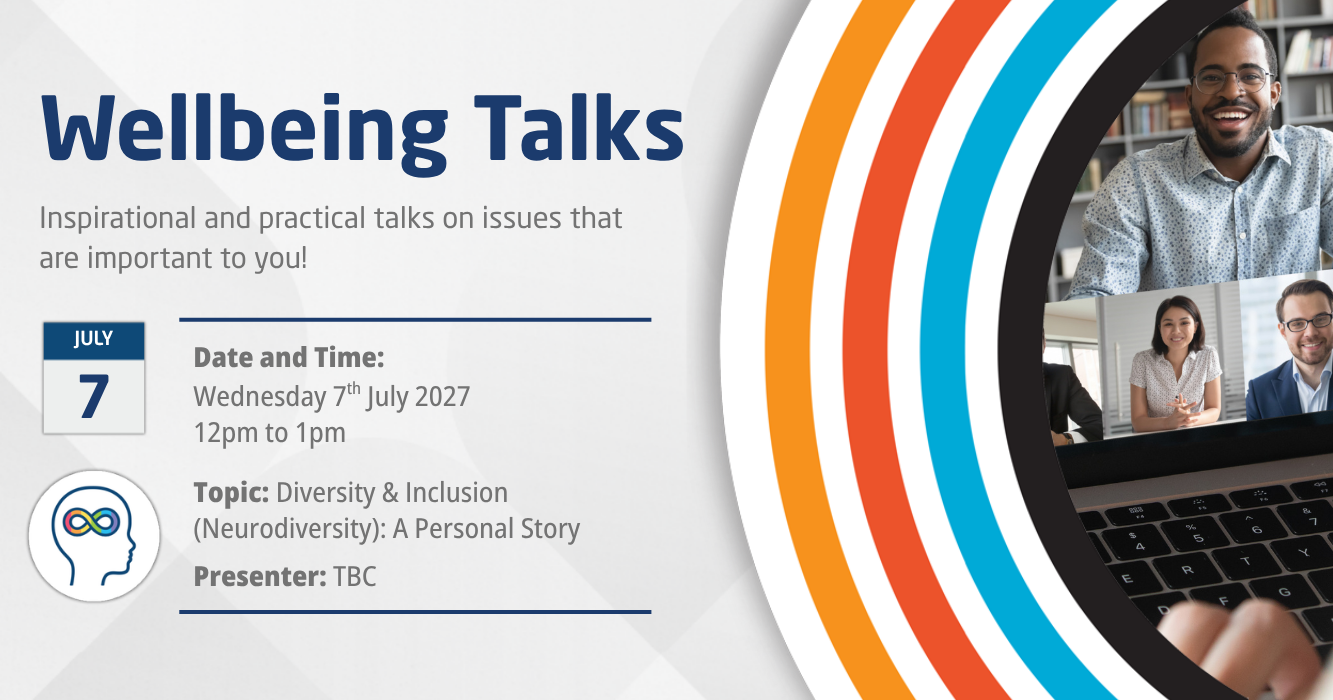
Diversity and Inclusion: Neurodiversity in the Workplace

As workplaces continue to evolve, organisations are recognising that diversity extends beyond visible characteristics. One important aspect of inclusion is neurodiversity, which acknowledges and values the natural variations in how people think, learn, process information, and interact with the world.

Creating a workplace that embraces neurodiversity can be hugely beneficial for organisations, unlocking undiscovered talent, encouraging innovation, and building a work environment in which every staff member performs at their best.

Add to Calendar

Types of Neurodiversity

Neurodiversity refers to the natural differences in how human brains function. While every individual exists somewhere on a neurological spectrum, the term is commonly used to describe people with certain neurological, developmental or learning differences.

These may include:

  • Attention deficit hyperactive disorder (ADHD)
  • Autism
  • Bipolar disorder
  • Dyslexia
  • Dyspraxia
  • Dyscalculia
  • Epilepsy
  • Obsessive-compulsive disorder
  • Tourette syndrome
  • Trauma
  • Sensory integration disorder

Neurodivergent individuals experience and interpret the world differently from neurotypical individuals. This allows them to bring valuable strengths and perspectives to the workplace.

Benefits of Neurodiversity in the Workplace

In today’s diverse workforce, it is crucial to foster an inclusive environment that accommodates different ways of thinking and working. Neurodiverse people can bring numerous strengths and skills that can benefit your workplace.

  • Greater information processing: Research suggests that some autistic individuals can process information more effectively than their neurotypical peers, particularly when analysing complex or rapidly presented information. In some cases, they are better able to identify critical details that others may overlook.
  • Creative thinking: Many of the characteristics associated with ADHD, including creativity, high energy levels, adaptability and willingness to take risks, can become significant workplace strengths when supported effectively. Similarly, people with dyslexia are often recognised for their ability to identify patterns, connect seemingly unrelated ideas and simplify complex concepts. These skills can be particularly valuable in strategic planning, product development, and creative problem-solving.
  • Elevated productivity: A case study by JPMorgan Chase found that professionals in its Autism at Work initiative made fewer errors and were 90% to 140% more productive than neurotypical employees.
  • Enhanced problem-solving: Neurodivergent employees often approach challenges from unique perspectives. Their ability to think differently can help teams identify solutions that may not have been considered through more conventional approaches.
  • Fresh ideas and perspectives: Because neurodivergent people often process information differently, they can challenge established assumptions and bring innovative viewpoints to projects and discussions. This diversity of thought helps prevent groupthink and encourages continuous improvement.
  • Team productivity and performance: According to Deloitte, research indicates that teams including neurodivergent professionals can be up to 30% more productive than those without them. By combining different cognitive strengths and approaches, organisations can create more balanced and effective teams.
  • Staff retention: When organisations provide inclusive and supportive working environments, neurodivergent employees often demonstrate strong commitment and loyalty. This can contribute to lower staff turnover rates and help businesses retain valuable skills and experience.
  • Employee engagement: An inclusive culture benefits everyone. When employees feel respected, understood, and supported, engagement levels tend to increase. Neurodiversity initiatives can therefore enhance overall employee wellbeing, morale, and organisational culture.
  • Innovation: Because they think differently from their neurotypical peers, neurodiverse employees can help drive innovation among their teams.

Creating a Neuro-Inclusive Workplace

In the UK, it is estimated that around 15–20% of the population is neurodivergent, including individuals with autism, ADHD, dyslexia, and other cognitive differences. However, despite this significant portion of the workforce, only around 10% of UK organisations have formal neurodiversity policies or initiatives in place.

By implementing thoughtful strategies, employers can unlock the full potential of a valuable and often under-supported talent pool.

Review Job Descriptions

Job descriptions are often the first point of contact between an organisation and a prospective employee. Use clear and accessible language, focus on essential skills and avoid vague requirements such as “excellent cultural fit” or “strong people skills” unless they are genuinely necessary for the role.

Adapt Interview and Onboarding Processes

Traditional interviews may not always allow neurodivergent candidates to demonstrate their strengths. Consider offering alternatives such as practical assessments, work trials, portfolio reviews, or interview questions in advance.

Once a candidate joins the organisation, a structured onboarding programme with clear expectations and guidance can help them settle into their role more confidently.

Reduce Sensory Overload

Open-plan offices can be challenging for some neurodivergent employees. Bright lighting, background noise, crowded spaces, and strong smells can affect concentration and wellbeing.

Simple adjustments such as providing noise-cancelling headphones, offering quieter workspaces or allowing employees to personalise their environments can make a significant difference.

Offer Flexible Work Hours

Flexibility in work hours can help individuals who experience peak productivity at different times of the day. Allowing employees to choose when they work can significantly enhance focus and performance.

Provide Clear Communication

Clear, concise instructions can help those with ADHD or autism spectrum conditions. Written communication or checklists can clarify expectations and reduce anxiety about misunderstandings.

Incorporate Quiet Spaces

Designating areas for quiet reflection or breaks gives individuals a chance to recharge when sensory overload becomes too much, boosting overall productivity.

By adopting these strategies, organisations can help neurodiverse individuals thrive, creating a more inclusive and supportive workplace.

Inclusive Workplaces are the Future

Neurodiversity represents an opportunity for organisations to rethink traditional approaches to recruitment, management, and workplace design. By recognising and valuing different ways of thinking, employers can create environments where all individuals have the opportunity to succeed.

Neuro-inclusive workplaces are not just better for neurodivergent employees. They are more innovative, more adaptable, and more successful for everyone. By embracing cognitive diversity, organisations can unlock new perspectives, stronger performance and a richer workplace culture that benefits employees, customers and businesses alike.

Injuries at Work

New research shows that 86% of electrical professionals have experienced an electrical incident (Martindale), and half of all tradespeople have experienced a loss of income or lost a contract as a result of an injury at work (Markel). This highlights the significant financial impact that workplace accidents can have, as well as the physical consequences.

Add to Calendar

Common On-the-Job Injuries

Tradespeople face a wide range of hazards every day, from working at height to handling heavy materials and machinery. Understanding the most common workplace injuries is key to creating a safer working environment, reducing downtime, and ensuring projects remain on track.

  • Head injuries: Whether caused by falling objects, slips and trips on uneven ground, or falls from height, head injuries can happen in an instant. Merkel’s survey found that head injuries and concussions account for 37% of reported workplace injuries. Wearing appropriate head protection and following site safety procedures can help reduce both the likelihood and severity of these incidents.
  • Broken bones: One-third (33%) of tradespeople say they have suffered a broken bone while at work. Injuries can occur while lifting heavy materials, operating equipment, or as a result of accidental impacts from tools or falling objects. While some fractures may be considered minor, they can still cause significant pain, limit mobility, and prevent someone from carrying out their job safely and effectively.
  • Musculoskeletal disorders: Long hours spent working in awkward positions, repetitive movements, and physically demanding tasks can take their toll on the body. Around 60% of tradespeople report chronic lower back pain or shoulder injuries caused by working in confined or uncomfortable spaces, often leading to repeated absences from work (Professional Electrician).

Returning to work after injury

Returning to work after an injury can feel like a major milestone, particularly if you’ve been away from work for an extended period. It’s important to remember that recovery takes time, and both your physical abilities and confidence may need to be rebuilt gradually.

  • Make a “back to work” plan: Your GP can advise on the type of work you’re fit to undertake and when you may be ready to return. They can also provide a fit note outlining any restrictions or adjustments that may be required.
  • Talk with your manager: Employers have a legal responsibility to consider reasonable adjustments and support employees returning after illness or injury. Having an open and honest conversation about your needs can help make the transition smoother and safer.
  • Take things gradually: A phased return, reduced hours, amended duties, or temporary alternative responsibilities can help rebuild confidence, strength and stamina without placing unnecessary strain on your recovery.
  • Know your rights: Employees are protected under the Equality Act, and many workers may be entitled to reasonable workplace adjustments. If additional support is needed, discuss this with your employer as early as possible.

The Link Between Physical Injury and Mental Health

Workplace injuries don’t just affect physical health. They can also have a significant impact on emotional wellbeing and mental health.

Many trade professions involve physically demanding work, tight deadlines, challenging conditions and concerns around job security. These pressures can contribute to stress, anxiety and burnout even before an injury occurs. When an injury prevents someone from working, concerns about finances, recovery and future employment can intensify these challenges.

Research shows that 66% of electricians experience mental health issues such as stress, anxiety or depression every month, while one in five report symptoms every week (ECN). In the construction sector, suicide rates are estimated to be 3.7 times higher than the national average.

According to the National Institute of Health, workers who are injured on the job often experience poorer mental health outcomes than those who sustain injuries outside the workplace. This highlights the close connection between workplace injuries and psychological wellbeing, and reinforces the need for both physical and mental health support during recovery.

Conclusion

Workplace injuries can affect every aspect of a tradesperson’s life. Beyond the immediate pain and disruption, they can lead to lost earnings, time away from work, reduced confidence and, in many cases, long-term physical and mental health challenges. For those who are self-employed or work on short-term contracts, the impact can be even more significant.

While not every accident can be prevented, prioritising health and safety, using the correct protective equipment, and following safe working practices can dramatically reduce the risk of injury. Equally important is ensuring that those who are injured have access to the support they need, both physically and emotionally, as they recover.

Creating safer workplaces and encouraging open conversations about health and wellbeing benefits everyone. By recognising the full impact of workplace injuries and taking proactive steps to prevent them, the industry can help protect its workforce, reduce lost working time and ensure tradespeople can continue doing what they do best, safely and confidently.

Children’s Mental Health: Understanding the Challenges Facing Young People Today

Children and young people face a wide range of challenges as they navigate growing up in an increasingly complex world. While childhood is often seen as a carefree time, many young people experience emotional pressures that can affect their mental health and wellbeing. From social media and family circumstances to academic expectations and friendship difficulties, the experiences children have during their formative years can shape how they feel about themselves and the world around them.

Children’s Mental Health Awareness is an opportunity to recognise these challenges, encourage open conversations, and remind families, educators, and communities that support is available. By understanding the factors that influence children’s emotional wellbeing, we can help create environments where young people feel safe, supported, and able to thrive.

Add to Calendar

The Digital Childhood: Social Media, Screens and Online Pressures

Technology has transformed childhood in ways that previous generations could never have imagined. The internet provides opportunities for learning, creativity, and connection, but it also presents challenges that can have a significant impact on a child’s mental health.

Social Media and Self-Esteem

Many children and teenagers spend considerable amounts of time on social media platforms where they are constantly exposed to images and content that can influence how they view themselves. Seeing carefully curated photos, achievements, and lifestyles can lead some young people to compare themselves unfavourably with others.

These comparisons can negatively affect self-esteem and body image, leaving children feeling inadequate or as though they do not measure up. For vulnerable young people, this can contribute to anxiety, low mood, and feelings of isolation.

Cyberbullying

Unlike traditional bullying, cyberbullying can follow a child wherever they go. Hurtful messages, online exclusion, rumours, and harassment can continue long after the school day has ended.

The anonymous nature of some online platforms can make negative interactions particularly distressing. Children experiencing cyberbullying may become withdrawn, anxious, or reluctant to use technology. In some cases, the emotional impact can significantly affect their confidence, relationships, and academic performance.

Screen Time and Sleep Disruption

Excessive screen use can interfere with healthy sleep patterns, particularly when devices are used late into the evening. Poor sleep is closely linked to emotional wellbeing and can affect a child’s mood, concentration, and ability to cope with everyday challenges.

Children who do not get enough quality sleep may become more irritable, struggle to manage emotions, or experience increased feelings of anxiety and stress. Establishing healthy digital habits can help support both physical and mental wellbeing.

Online Friendships and Relationships

Online communities can offer valuable opportunities for connection, particularly for young people who may struggle socially offline. However, digital relationships can also create challenges.

Children may feel pressure to maintain a constant online presence or worry about being excluded from conversations and social groups. The need to stay connected at all times can contribute to stress and make it difficult for young people to switch off and relax.

Unrealistic Beauty and Lifestyle Standards

Influencers, celebrities, and online personalities often present idealised versions of life that may appear perfect. Children may not always recognise that images are edited or carefully selected, leading to unrealistic expectations about appearance, success, and happiness.

Promoting media literacy and encouraging critical thinking can help young people develop a healthier relationship with social media and reduce the impact of unrealistic standards.

Family Life and Childhood Experiences

A child’s home environment plays a fundamental role in their emotional development. Family experiences can provide security and resilience, but challenges within the home can also affect mental health.

Family Separation or Divorce

Family separation can be a significant life event for children. Although many families navigate separation successfully, the changes it brings can create uncertainty, sadness, and worry.

Children may struggle with changes to routines, living arrangements, or family relationships. Some may feel responsible for the separation or worry about the wellbeing of family members. Providing reassurance, stability, and open communication can help children adapt during these periods of change.

Parental Conflict

Frequent conflict between parents or caregivers can have a lasting impact on children’s emotional wellbeing. Even when arguments do not involve the child directly, witnessing ongoing tension can create feelings of anxiety and insecurity.

Children thrive when they feel safe and supported. Reducing exposure to conflict and maintaining positive communication can help create a more stable environment for healthy emotional development.

Financial Pressures at Home

Financial difficulties can place considerable stress on families. Children may become aware of money worries and absorb the anxiety experienced by adults around them.

Concerns about housing, food security, or financial stability can affect a child’s sense of safety and security. While children do not need to know every detail of family finances, honest and age-appropriate conversations can help alleviate confusion and worry.

Parental Mental Health

Parents and caregivers play an important role in supporting children’s emotional wellbeing. When adults are experiencing difficulties with their own mental health, children may be affected indirectly.

Young people may notice changes in behaviour, mood, or family routines and struggle to understand what is happening. Supporting parental mental health benefits not only the individual but the entire family unit.

Adverse Childhood Experiences (ACEs)

Adverse Childhood Experiences are potentially traumatic events that occur during childhood, such as abuse, neglect, domestic violence, or substance misuse within the household.

Research consistently shows that ACEs can have long-term effects on physical and mental health. However, positive relationships with supportive adults can help build resilience and reduce the impact of adverse experiences. Early intervention and support are crucial in helping children overcome difficulties and thrive.

Pressure, Performance and the Modern Child

Children today often face high expectations from multiple areas of their lives. Academic achievement, extracurricular activities, and future aspirations can create significant emotional pressure.

Academic Pressure

Education plays an important role in a child’s future opportunities, but excessive pressure to achieve can affect mental wellbeing. Some children may worry excessively about grades or fear disappointing parents, teachers, or themselves.

A healthy approach to learning focuses on effort, development, and progress rather than perfection. Encouraging children to value learning rather than solely outcomes can help reduce stress.

Exam Stress

Examinations can be particularly challenging for young people. The pressure to perform well, combined with concerns about future opportunities, can trigger feelings of anxiety and overwhelm.

Signs of exam-related stress may include sleep difficulties, irritability, loss of confidence, or physical symptoms such as headaches and stomach aches. Supporting children with realistic expectations and healthy coping strategies can make a significant difference.

Fear of Failure

Many young people struggle with the belief that making mistakes means they have failed. This fear can prevent them from trying new things, taking healthy risks, or developing confidence.

Helping children understand that mistakes are a natural part of growth can encourage resilience and a more positive attitude towards challenges.

Perfectionism

Perfectionism is becoming increasingly common among children and adolescents. While setting goals can be positive, unrealistic expectations can result in constant self-criticism and dissatisfaction.

Children who strive for perfection may experience heightened anxiety and find it difficult to celebrate achievements. Teaching self-compassion and balance can help reduce the emotional burden associated with perfectionistic thinking.

Future Uncertainty

Young people are growing up in a rapidly changing world. Concerns about future careers, financial stability, global events, and societal expectations can create feelings of uncertainty.

While it is natural to think about the future, children benefit from reassurance that they do not need to have all the answers immediately. Developing coping skills and confidence can help them navigate uncertainty more effectively.

Connection, Belonging and Identity

A strong sense of belonging is essential for positive mental health. Children who feel accepted, valued, and connected to others are more likely to develop confidence and resilience.

Friendships and Peer Relationships

Friendships provide children with support, companionship, and opportunities to develop important social skills. Positive relationships help young people feel understood and connected.

However, friendship difficulties can be emotionally challenging. Falling out with friends, feeling excluded, or struggling to fit in can significantly affect confidence and wellbeing.

Bullying

Bullying remains one of the most significant challenges affecting children’s mental health. Whether it occurs in person or online, repeated negative behaviour can cause emotional distress and undermine self-esteem.

Children who experience bullying may become withdrawn, anxious, or reluctant to attend school. Early intervention and supportive responses are essential in addressing these experiences.

Loneliness

Despite living in a highly connected world, many children report feeling lonely. Loneliness can occur when a child feels disconnected from peers, family, or their wider community.

Persistent loneliness can contribute to low mood and anxiety. Encouraging meaningful social connections and opportunities for engagement can help combat feelings of isolation.

Community Support

Strong communities can play a powerful role in supporting children’s mental health. Schools, sports clubs, youth groups, and community organisations provide opportunities for connection, belonging, and personal development.

When children feel supported by a wider network of trusted adults and peers, they are often better equipped to cope with challenges and setbacks.

Self-Esteem and Identity Development

Childhood and adolescence are important periods for developing identity and self-worth. Young people are learning who they are, what they value, and where they belong.

Supportive relationships, positive role models, and opportunities to explore interests can strengthen self-esteem and encourage healthy identity development. When children feel accepted for who they are, they are more likely to develop confidence, resilience, and emotional wellbeing.

Supporting Children’s Mental Health

Children’s mental health is shaped by many different factors, including family life, friendships, school experiences, and the digital world. While challenges are a natural part of growing up, early understanding and support can make a lasting difference.

By encouraging open conversations, listening without judgement, and creating environments where children feel safe and valued, adults can help young people build resilience and confidence. Every child deserves the opportunity to thrive emotionally as well as academically.

When families, schools, workplaces, and communities work together to support children’s mental health, we create a future where young people feel understood, empowered, and equipped to navigate life’s challenges with hope and confidence.

Financial Wellbeing

Financial wellbeing is about feeling secure and in control of your finances. When people feel confident managing their money, they are less likely to experience financial stress, which can have a positive impact on mental health, physical wellbeing and personal relationships.

Financial and mental health are closely connected. Mental health challenges can make it harder to manage money, maintain employment or make financial decisions. Equally, financial difficulties can lead to stress, anxiety and other mental health concerns, particularly when people are struggling to meet essential living costs.

Add to Calendar

Why Financial Wellbeing Matters

Financial wellbeing is a vital part of overall health and quality of life. It affects our ability to meet day-to-day expenses, cope with unexpected costs and plan confidently for the future.

For many people working in the electrical industry, rising living costs and economic uncertainty can make financial management more challenging. Developing healthy financial habits can help reduce stress, improve resilience and provide greater peace of mind.

Financial wellbeing is not simply about how much money you earn. It is about having the knowledge, confidence and tools to make informed decisions, manage debt responsibly and build long-term financial security.

Benefits of Good Financial Health

Good financial wellbeing can lead to:

  • Reduced stress and anxiety by easing worries about day-to-day finances.
  • Improved focus and productivity at work, with fewer financial distractions.
  • Greater financial security through savings and forward planning.
  • Enhanced quality of life, making it easier to achieve personal goals and future ambitions.

Practical Steps to Improve Your Financial Wellbeing

Taking control of your finances does not require dramatic changes. Small, consistent actions can make a significant difference over time.

  • Create a Budget: Understand your income and expenses by creating a realistic monthly budget. This can help identify areas where you can reduce spending and increase savings.
  • Set Clear Financial Goals: Whether you’re saving for a home, holiday, education or retirement, setting specific goals can help keep you motivated and focused.
  • Build an Emergency Fund: Aim to save three to six months’ worth of essential living expenses. Having a financial safety net can help you manage unexpected situations without relying on credit.
  • Manage Debt Effectively: Prioritise paying off high-interest debt and avoid using credit for non-essential purchases wherever possible.

Review Your Pension and Retirement Plans

Regularly check your pension contributions and ensure your retirement plans remain aligned with your long-term goals. If you have pensions from previous employers, consider reviewing and consolidating them where appropriate.

Seek Professional Support

Financial planning can sometimes feel overwhelming. Seeking guidance from trusted financial advisers or support services can help you make informed decisions and feel more confident about your future.

Supporting Financial Wellbeing in the Workplace

Financial concerns can have a significant impact on performance, wellbeing and engagement at work. Employers who support financial wellbeing can help create a healthier, more productive workforce.

Creating an open and supportive culture encourages employees to seek help when they need it and reduces the stigma often associated with discussing money worries.

How Employers Can Help

  • Provide mental health awareness training for line managers to help them recognise signs of financial and emotional distress.
  • Offer flexible working arrangements where possible, helping employees manage personal and financial commitments.
  • Signpost support services, including financial advice, debt support and mental health resources.
  • Understand employees’ priorities and tailor benefits and wellbeing initiatives to meet their needs.
  • Encourage open conversations about financial wellbeing and create a workplace culture where discussing money concerns is not seen as taboo.

How The EIC Can Help

The Electrical Industries Charity (EIC) is committed to supporting the financial wellbeing of people working across the electrical and energy industries.

Whether you need help with budgeting, financial planning, debt concerns or are experiencing financial hardship, EIC offers a range of support services designed to improve financial resilience and wellbeing.

Remember, financial wellbeing is a journey rather than a destination. By taking small, practical steps today and seeking support when needed, you can build greater financial confidence and security for the future.